
 +86-13392325565



Company News







What Affects the Cost of Disposable Vape Hardware?
2026-10-17
When sourcing Disposable Vape hardware, price is rarely determined by the device alone. For cannabis brands, oil fillers, distributors, and private-label businesses in North America and Europe, the final purchasing cost depends on several factors, including materials, battery specifications, heating systems, product features, customization requirements, order quantities, and shipping arrangements.
Understanding these cost factors helps buyers compare suppliers more effectively, plan procurement budgets, and select hardware that meets their product requirements without compromising manufacturing quality.
For businesses looking for a disposable vape hardware manufacturer or an OEM/ODM partner, here are seven key factors to consider before requesting a quotation.
1. Materials and Component Selection
The materials used in disposable vape hardware have a direct impact on manufacturing costs, durability, and product appearance.
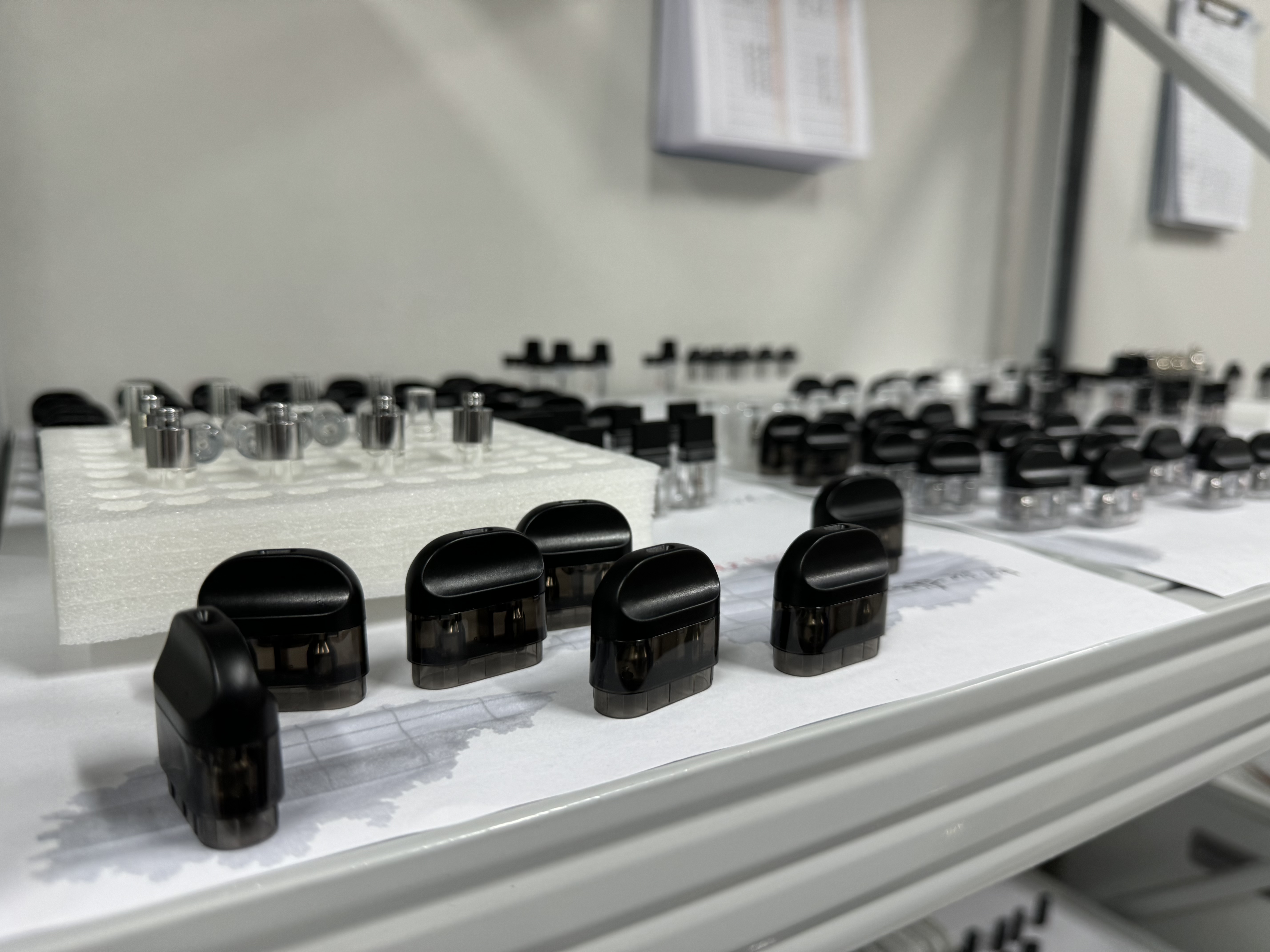
For example, an aluminum alloy body may offer a different balance of weight, surface finish, and manufacturing cost compared with a plastic housing. Glass oil chambers, ceramic components, metal posts, and different mouthpiece materials can also affect the overall bill of materials.
The heating structure is another important consideration. Ceramic and metal-post configurations have different component requirements and should be evaluated according to the intended oil formulation and product design.
When comparing quotations from different vape hardware suppliers, buyers should confirm that the material specifications and component configurations are comparable. Two devices with similar external appearances may have significantly different internal structures.
2. Battery Capacity and Electronic Features
Battery specifications are another major factor affecting the cost of disposable vape hardware.
A device with a rechargeable battery may require additional components, charging interfaces, and electronic protection features compared with a basic non-rechargeable design. The actual cost depends on battery capacity, component quality, circuit design, and the manufacturer's production process.
Additional features can also influence the unit price, including:
• Adjustable voltage: Requires additional electronic control functionality.
• Preheat function: Adds control logic and may require dedicated activation components.
• Display screen: Introduces display modules and additional integration requirements.
• Button activation: May require extra switches and supporting electronic components.
• Dual-chamber design: Can involve more complex internal structures and assembly.
• Rechargeable design: Requires a suitable charging interface and supporting circuitry.
For cannabis brands developing custom disposable Vape Pens, the goal should be to select features that support the intended product positioning rather than adding functions that do not provide meaningful value.
3. Order Quantity and MOQ
Order quantity is one of the most important variables in B2B hardware pricing.
A larger order may reduce the unit cost by spreading setup expenses, production preparation, and certain fixed costs across more units. Higher volumes can also improve material purchasing efficiency and production scheduling.
Smaller orders, however, may involve higher per-unit costs, particularly when custom tooling, special colors, or unique electronic configurations are required.
When requesting a quotation for Bulk Disposable Vape hardware, buyers should clarify:
• Minimum order quantity (MOQ)
• Price breaks at different order volumes
• Sample and prototype costs
• Tooling or setup charges
• Repeat-order pricing
• Production lead times
For new brands entering the North American or European market, a phased purchasing plan may help balance initial investment with future demand. The most economical order quantity depends on sales forecasts, inventory capacity, and product-development requirements.
4. OEM and Customization Requirements
Customization is a major consideration for brands seeking to differentiate their products.
Standard hardware configurations are generally easier to quote because the manufacturer can work with established components and production processes. Custom projects may require additional engineering, sampling, testing, and production preparation.
Common customization options include device dimensions, exterior colors, mouthpiece styles, logo printing, ceramic or metal-post configurations, battery functions, and retail packaging.
For buyers searching for OEM disposable vape or custom vape hardware, it is important to distinguish between standard customization and structural development.
Changing an exterior color or adding a logo is different from developing a new housing, modifying an airflow structure, or integrating a new electronic system. These projects have different cost and lead-time implications.
A clear product specification, reference drawing, target quantity, and list of required functions can help a vape hardware manufacturer prepare a more accurate quotation.
5. Quality Control and Manufacturing Consistency
The lowest quotation does not always represent the lowest total purchasing cost.
Inconsistent assembly, leakage, charging problems, component defects, or dimensional variations can lead to additional inspection, rework, rejected batches, and production delays. For oil fillers and brands operating filling and packaging lines, hardware consistency is particularly important.
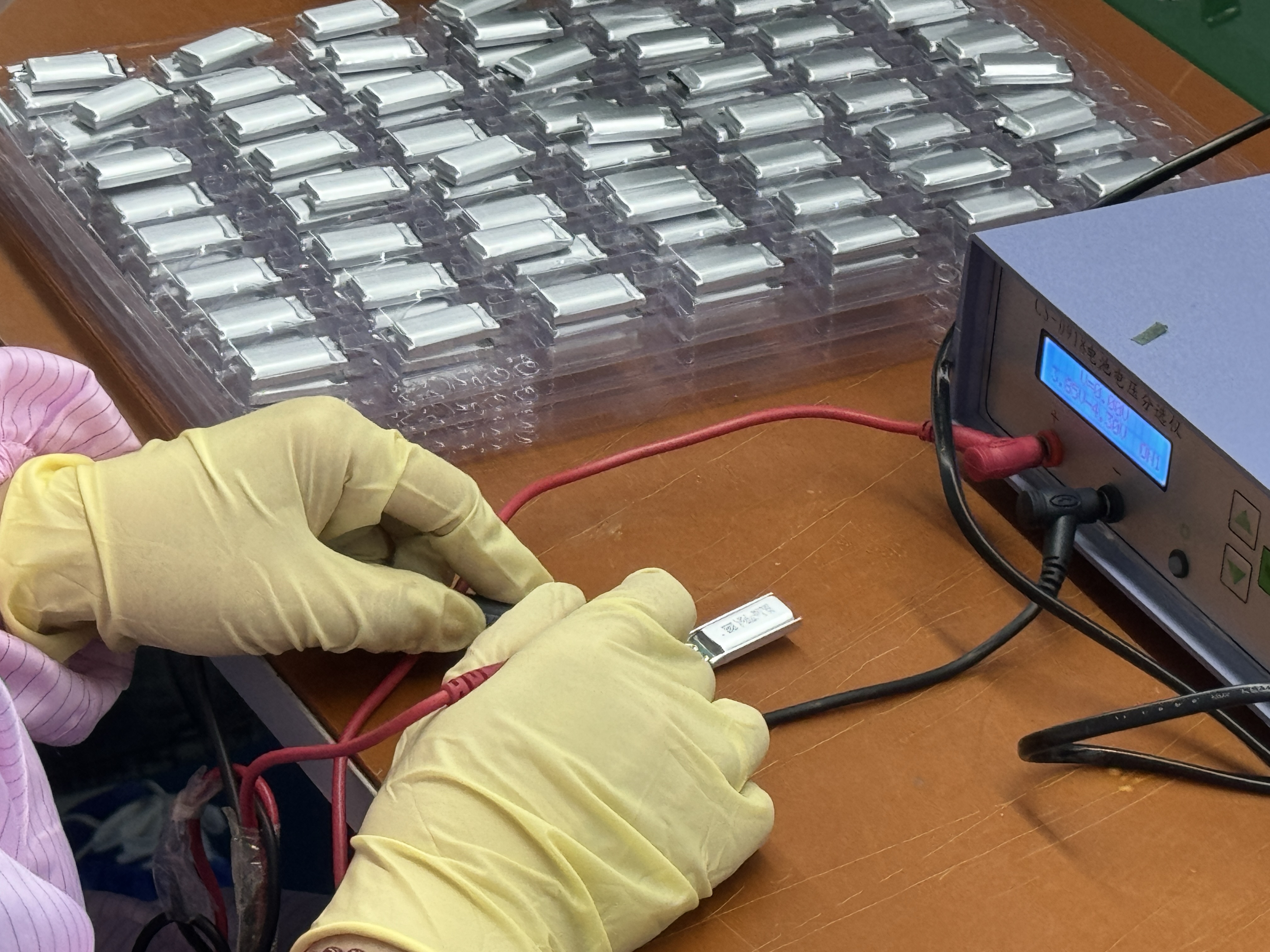
When evaluating a vape hardware supplier, buyers should ask about its quality management process, including incoming material inspection, in-process checks, final inspection, functional testing, and batch traceability.
Manufacturing capacity and process control should also be considered. A supplier that can maintain consistent specifications across repeat orders may provide greater long-term value than a supplier selected solely on its initial unit price.
Where applicable, buyers should also confirm relevant test reports, material documentation, and product-specific compliance requirements.


6. Packaging and Secondary Production Requirements
Packaging is another cost factor that can be overlooked during initial procurement.
Standard bulk packaging may be sufficient for certain manufacturing operations. Retail-ready products, however, may require custom boxes, printed inserts, protective trays, branded labels, or other packaging components.
For brands working with U.S. secondary production or filling facilities, hardware compatibility can also affect overall costs.
Important considerations include component tolerances, mouthpiece fit, assembly requirements, protective packaging, and compatibility with the intended filling and capping process. Hardware that integrates smoothly into an existing production workflow may reduce handling time and unnecessary rework.
Buyers should therefore evaluate the combined cost of hardware, packaging, and downstream production rather than comparing the device price in isolation.
For European projects, packaging and documentation requirements should also be assessed against the applicable national and EU rules for the intended finished product.
7. Shipping, Lead Times, and Market Requirements
International shipping can significantly affect the total landed cost of disposable vape hardware.
Freight charges depend on shipment size, weight, packaging dimensions, shipping method, destination, and delivery terms. Buyers should also account for applicable import duties, customs clearance fees, taxes, and other destination-specific charges.
North American and European buyers may face different import procedures and product requirements. The exact obligations depend on the destination, product configuration, intended use, and whether the shipment contains empty hardware or a finished product containing oil.
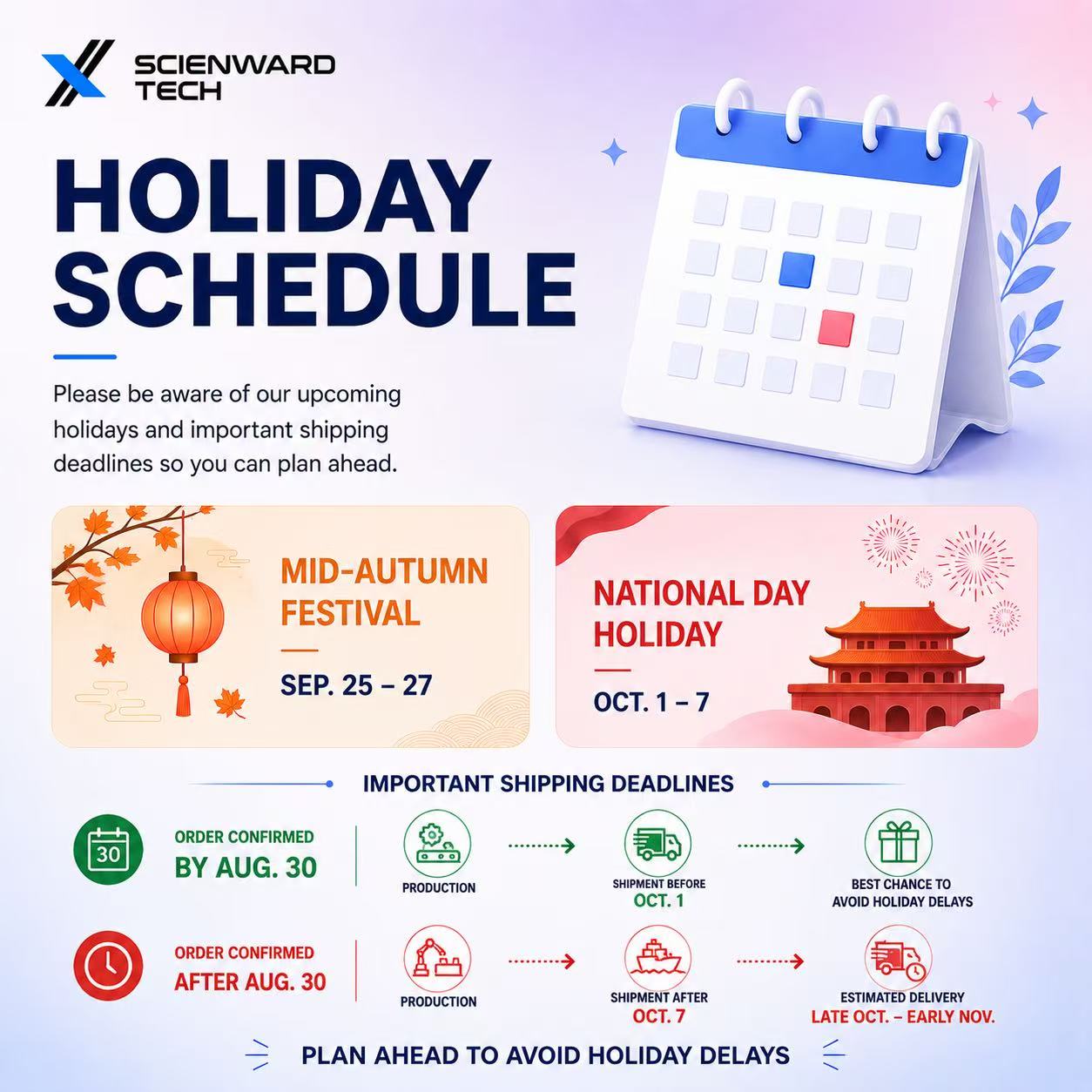
Before placing an order, confirm the agreed Incoterms, shipping responsibilities, estimated lead time, export documentation, and any applicable testing or compliance requirements.
For products intended for regulated cannabis markets, buyers should assess the rules that apply to the finished product in each target jurisdiction rather than assuming that hardware specifications alone establish market eligibility.
How to Compare Disposable Vape Hardware Quotations
A useful quotation comparison should go beyond the unit price. Buyers should request consistent specifications from each supplier and compare the complete cost structure.
Consider the following checklist:
• Device model, dimensions, and materials
• Oil capacity and heating configuration
• Battery capacity and electronic functions
• MOQ and volume-based pricing
• Customization, tooling, and sample charges
• Quality-control procedures and available documentation
• Packaging specifications
Production lead time and shipping terms
Comparing quotations on the same technical basis makes it easier to identify genuine cost differences and avoid unexpected expenses after production begins.