When it comes to buying in bulk, many folks turn to Vape Factories because having direct access really makes it easier to review things like product details, manufacturing capacities, and order timelines. It's pretty helpful if a factory can walk you through how their devices are assembled, how they check the components, and what kind of documentation comes with each batch. That kind of transparency really matters when you're comparing different suppliers across various markets.
Now, the nitty-gritty details deserve a good look. Don’t hesitate to ask for clear product specs, sample units, packaging proofs, and quality reports for each batch. It’s also smart to see if they can explain their inspection process and provide up-to-date compliance documents for your specific market. These steps help you really gauge whether they’re consistent—without just taking their word for it. And good communication is key, too. A slow reply about a material or delivery date can sometimes be a red flag about how well their operations actually run.
Some wholesalers also ask about product categories like Cbd Vape. Since rules can differ a lot depending on where you’re selling, it's a good idea to double-check the local regulations yourself and make sure the products and claims actually comply with those standards. A factory's assurance isn’t a substitute for that review. Just because a supplier looks big and impressive doesn’t mean they’re the right fit. Things like minimum order quantities, lead times, and customization options might seem attractive on paper, but can look very different once you actually start production. So, take your time, compare samples carefully, and keep your expectations realistic. The truth is, even with thorough checks, you can’t totally eliminate supply chain uncertainties. But having transparent records and getting clear answers definitely makes it easier to pick a trustworthy partner for wholesale stuff.

A vape factory can offer wholesale buyers closer visibility into production, quality checks, and order planning. Buyers can ask how incoming components are inspected, how finished units are sampled, and how batch records are maintained. A practical review might include checking a sample device, comparing its finish across several units, and examining packaging for clear product information. Small details matter. A smooth sales call alone proves little.
Factory communication can also help buyers clarify minimum order quantities, production schedules, and replacement procedures before placing an order. Ask for written specifications and documentation supporting any quality or material claims. Where independent test reports are available, check that they match the products being quoted. A tidy showroom is not proof of consistent manufacturing. I would want to see the process, not just the presentation.
Direct sourcing may make changes easier to discuss, but it does not remove shipping delays or quality risks. Confirm who handles inspections, how defects are recorded, and what happens when an order differs from its approved sample. Requirements vary by destination, so buyers should verify applicable rules with qualified local advisers before importing or distributing products. Even careful checks can miss something; that is worth acknowledging.
Direct manufacturing can shape wholesale costs by shortening the path between a buyer and the production team. Fewer intermediaries may reduce added margins, but the factory price is only one part of the total. Ask for an itemized quote covering components, assembly, packaging, quality checks, and shipping. For a Vape Pen order, small changes to materials or packaging can affect the unit price. Larger orders may lower per-unit production costs, though they also tie up more cash and storage space. A low quote can look convincing; check what it leaves out.
Tips: Request a sample and a written breakdown before placing a bulk order. Compare the same specifications across suppliers. Ask how defects are recorded and what inspection steps are included.
Direct communication with a factory can also make cost discussions more specific. Buyers can clarify tolerances, packaging details, and order quantities with the people planning production. That may prevent expensive misunderstandings, though it does not guarantee savings. Review product documentation and quality-control records, and account for freight, duties, and possible delays in your budget. Quotes can change when specifications do. A careful comparison is more useful than choosing the lowest number on a page.
Global buyers often assess a factory by repeatability, not just its quoted capacity. A stable line should control assembly tolerances, component placement, and device sealing across batches. Ask how operators inspect incoming materials, record lot numbers, and separate units that fail testing. Small details matter. A sample may look consistent while production varies. Request batch-level inspection records and clear explanations of testing methods. These help buyers compare suppliers using evidence rather than polished presentations.
Flexible equipment can support different formats, but frequent changeovers need documented setup checks. For a Hemp Vape device, clarify which components the factory makes and which it sources. Supplier visibility matters. Capacity also includes realistic lead times, packaging checks, and a process for handling defects. Ask for a pilot run before larger orders, then compare measurements across several units. No process is flawless. A reliable factory discusses deviations openly, including recurring seal issues or delayed components, instead of promising perfect output. That conversation can reveal more than a showroom sample.
| Production capability | What buyers should assess | Why it matters for wholesale | Evidence to request |
|---|---|---|---|
| Production capacity and planning | Documented output by product type, shift schedule, current order load, and lead-time assumptions. | Helps buyers judge whether the factory can meet order volumes and replenishment schedules without relying on unverified capacity claims. | Capacity breakdown, production schedule, and recent on-time delivery records. |
| Process control and traceability | Written work instructions, in-process checks, lot coding, and records linking components to finished goods. | Consistent controls make it easier to investigate defects, manage corrective actions, and trace affected batches. | Quality procedures, sample batch records, and a demonstrated traceability exercise. |
| Incoming component inspection | Inspection criteria for batteries, electronic components, heating elements, cartridges, and packaging. | Finished-product reliability depends on the quality and consistency of purchased components. | Supplier qualification process, inspection records, and component specifications. |
| Functional and safety testing | Defined checks appropriate to the product, such as charging, electrical function, leakage, activation, and visual inspection. | A clear test plan helps detect defects before shipment; testing scope should match the product design and destination requirements. | Test methods, equipment calibration records, acceptance criteria, and sample reports. |
| Battery and transport documentation | Battery specifications, applicable test documentation, packaging controls, and shipment classification. | Lithium battery shipments are subject to transport rules. Requirements depend on battery type, configuration, and shipping method. | Applicable UN 38.3 test summary and transport documents where required; verify details for the intended shipment. |
| Regulatory and market readiness | Ability to provide product and manufacturing records relevant to each destination market. | Vape product rules vary by jurisdiction and can cover notification, ingredients, packaging, labeling, and sales restrictions. | Product-specific documentation and a market-by-market compliance checklist. Buyers should independently confirm current local requirements. |
| Customization and change control | Control of approved specifications, artwork, tooling, component substitutions, and engineering changes. | Formal change approval reduces the risk of unapproved differences between samples and repeat orders. | Approved sample records, revision history, and a written change-notification process. |
| Packaging and order fulfillment | Packaging specifications, carton labeling, order checks, and protection during storage and transport. | Accurate packing and clear identification help reduce receiving errors and shipping damage. | Packaging samples, packing instructions, and shipment inspection records. |
| Corrective action and after-sales support | A documented process for complaints, root-cause analysis, corrective actions, and response ownership. | Responsive follow-up supports issue resolution and helps buyers evaluate supplier reliability over time. | Complaint-handling procedure, anonymized corrective-action examples, and escalation contacts. |
Buyer note: Capabilities should be verified against the specific product, order requirements, shipping route, and destination-market rules. Request current, product-specific records rather than relying on general claims.
Reliable wholesale supply depends on repeatable checks, not polished factory photos. A well-managed production line records incoming material lots, coil resistance, device output, and leak-test results. For a Vape Tank, even a small seal variation can cause leakage during handling. Batch records help staff trace a defect to its source instead of guessing.
The ISO Survey 2022 counted 1,265,216 valid ISO 9001 certificates worldwide across industries. This figure reflects the broad use of documented quality systems; it does not certify every vape factory or guarantee each batch. Buyers should review actual inspection records, test methods, and sample results. Ask how the factory handles failed units, and whether corrective actions are recorded. Paperwork matters. So does checking the finished product.
Tips: Request a recent batch inspection report and compare it with a retained sample. Check tank fit, visible seals, packaging labels, and measured output. If results vary, ask what changed in the process. A report can look complete and still miss a recurring issue.
Global buyers often work directly with a vape factory to adapt products to local customer preferences. A Wax Vape Pen may need different finishes, capacity options, or packaging details across markets. Small choices matter. A matte surface can feel less slippery, while a clear indicator window can make charge status easier to check. Buyers can discuss these details with factory engineers before production begins.
Customization also covers practical requirements. Factories can review material specifications, labeling, instruction layouts, and electrical testing plans with buyers. These steps help teams assess whether a product fits their intended market and quality standards. Requirements vary, so buyers should verify them with qualified local professionals rather than rely on a supplier’s general claims. Not every custom feature improves the product. Extra colors or components can complicate inspection, and that is easy to underestimate. Careful sampling helps identify issues, such as a hard-to-read label or a cap that does not fit securely, before an order is scaled up.
Customization helps buyers adapt products to local regulations. The chart compares the nicotine-concentration limits in three markets.
Maximum nicotine concentration for regulated vaping products: EU and UK limits are set under the Tobacco Products Directive framework; Canada’s federal limit is 20 mg/mL. Local rules may add further requirements. Sources: European Commission, UK Government, Health Canada.
A wholesale order runs smoothly when the factory confirms details before production starts. Buyers can agree on quantities, product specifications, packaging, and inspection points in a written order sheet. Small details matter. A carton’s dimensions, for example, affect warehouse planning and freight estimates. A reliable production team can share a realistic schedule, explain its capacity, and flag delays early. Forecasts are rarely perfect, and honest updates are more useful than confident guesses.
Shipping coordination begins before cartons leave the factory. The team should confirm delivery terms, shipping documents, carton counts, and the buyer’s receiving requirements. It can also provide production updates and inspection records, so buyers know what is ready and what still needs checking. For cross-border orders, buyers and suppliers should verify that products and paperwork meet the rules applying at the destination. Requirements vary, so assumptions can cause costly delays. Buffer stock may help with repeat orders, but holding too much inventory ties up cash. Factories and buyers need to review forecasts together, then adjust quantities and timing when demand changes.
For wholesale buyers, a factory’s compliance records can matter as much as its production capacity. Requirements vary between markets, and a product accepted in one place may need different testing or labeling elsewhere. The World Health Organization’s 2023 global tobacco-control report noted that 121 countries had adopted some form of e-cigarette regulation. That changing landscape makes current, market-specific documentation essential—not a folder of generic certificates.
Ask for traceable test reports, clear batch records, and written quality-control procedures. Check that documents match the exact product and intended market; a certificate for a similar model is not enough. Buyers should also confirm who performed the testing and whether the laboratory has relevant accreditation. Paperwork can look tidy. Consistent production is harder to judge, and a single factory visit cannot prove every batch will match. Independent checks can help fill that gap.
Tips: Request a sample batch record and compare its product identifiers with the test report. Confirm document dates and scope before placing an order. If an answer is vague, pause and ask again.
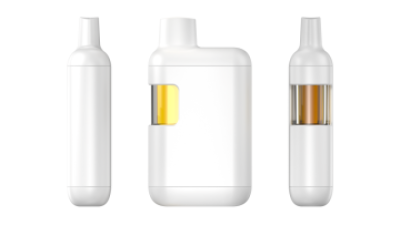
A post-less Disposable Vape uses a centerless internal layout to create a differentiated hardware configuration while retaining a compact form. Its 1.0 ml capacity offers a defined, measured format, and the streamlined body keeps the device easy to handle and package. Rather than relying on a central post, this design approach prioritizes a different arrangement of internal components; manufacturers can assess how that structure fits their intended assembly and product specifications.
The lightweight aluminum-alloy body provides a durable-feeling exterior and a suitable surface for customized branding. For businesses developing private-label hardware, OEM/ODM services can support adjustments to appearance and product configuration. Industry context also points to continued commercial interest in this category: Grand View Research’s *E-Cigarette and Vape Market* report estimated the global market at USD 22.45 billion in 2022 and projected growth through 2030. That broad market estimate does not predict demand for any particular device, but it underscores why clear hardware differentiation—such as a 1.0 ml format and post-less design—can matter during product planning.
Check assembly tolerances, component placement, and sealing across multiple batches. A polished sample may not reflect regular production.
Request recent inspection records showing material lots, resistance, output, and leak-test results. Paperwork matters. Compare the records with real samples.
Ask which parts the factory makes and which it obtains from suppliers. Clear sourcing information can help explain delays or variation.
A pilot run lets buyers compare measurements across several units before placing a larger order. Small differences can reveal setup problems.
Ask how failures are separated, recorded, and investigated. Look for documented corrective actions, not just a quick promise to fix them.
Confirm quantities, specifications, packaging, and inspection points in a written order sheet. Carton dimensions matter for storage and freight estimates.
Confirm delivery terms, shipping documents, carton counts, and receiving requirements before cartons leave the factory. Requirements vary by destination.
Request realistic schedules and early updates about delayed components. Buffer stock may help, but too much inventory ties up cash. Forecasts can be wrong.
Global buyers choose a Vape Factory because direct access to manufacturing can make wholesale sourcing more efficient and predictable. By working with a factory, buyers can better understand how production methods, order volumes, and material choices affect costs. Capabilities such as flexible production capacity, consistent product specifications, and the ability to handle varied order requirements also help suppliers serve different markets.
Reliable quality control supports consistency from one production run to the next, while customization allows buyers to select product features and packaging suited to their customers. Factories can also coordinate order planning, shipping, and supply schedules, helping buyers manage inventory and delivery expectations. Clear processes for meeting applicable product and market requirements further support supplier confidence. Together, these strengths make a well-organized factory a practical wholesale partner for businesses seeking dependable supply and products tailored to their needs.