Get Samples & Quotes
Leave Your Message
0%

A Vape Factory isn't just a place filled with machines pumping out products and packing boxes. It’s actually a carefully managed system where things like design, materials, testing, documentation, and customer support all need to come together smoothly. When you’re shopping around, don’t just be fooled by pretty samples—remember, a shiny device on the outside can hide issues like poor traceability, inconsistent batteries, or unclear ingredient lists.

Dr. Konstantinos Farsalinos, a respected doctor and researcher studying tobacco harm, once said, “Quality control is essential for all vaping products.” That advice hits home, especially when choosing a factory. A good supplier should be upfront about how they manage quality—like, they should be able to explain their process in plain English. Don’t hesitate to ask how they check incoming raw materials, see their batch records, safety test reports, even independent lab results. And if you get the chance, visit their facility—things like labeled storage bins, calibrated tools, clean workspaces, and staff who can actually answer tough questions without rehearsed scripts go a long way. It’s the little signs that tell the real story.

Plus, don’t overlook compliance. A trustworthy Vape Factory supports legal product categories, proper labeling, age restrictions, and documentation relevant to specific markets. If you’re thinking about a Cbd Vape, for example, make sure they’ve done ingredient testing, have measures to prevent contamination, and meet local regulations before you hit ‘buy’. Standards evolve, so yesterday’s certificates might not be enough today—always look for recent, solid proof.

And hey, the cheapest quote isn’t usually the smartest choice. Quality, safety, and transparency tend to come with a price.

This guide takes a closer look at factory capabilities, audits, testing procedures, communication, minimum order sizes, and after-sales support. It also bumps into a tough truth: no supplier is perfect. Even seasoned buyers can miss red flags, especially when deadlines are tight. Taking a careful, thoughtful approach can help reduce those risks and build a more reliable, honest partnership that’s worth trusting.
What Is a Vape Factory and How Can Buyers Choose One?

What Is a Vape Factory and What Does It Produce?

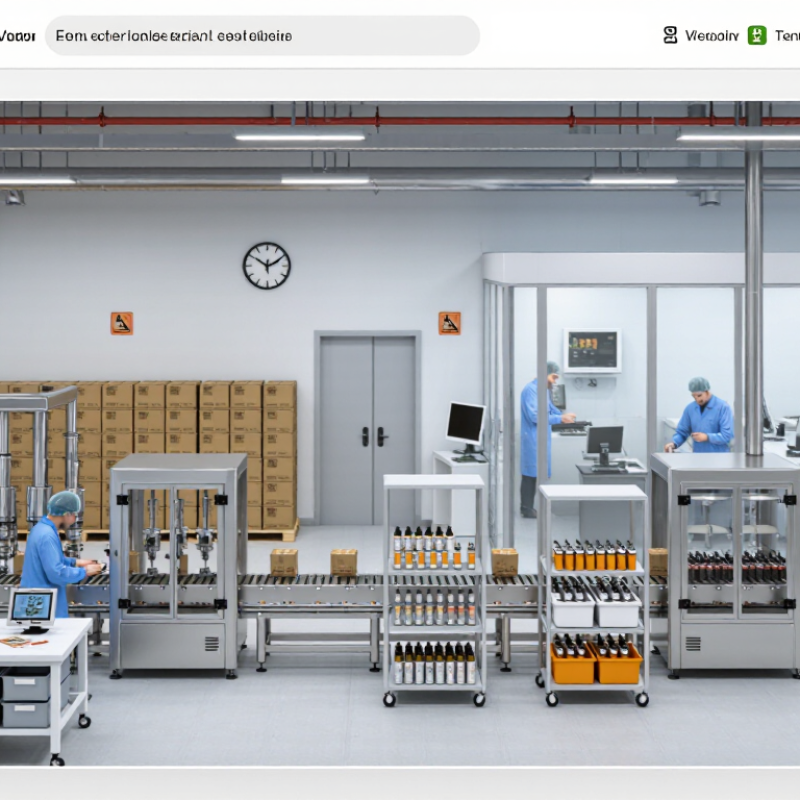
A vape factory is a specialized facility that designs, assembles, tests, and packages vaping products. Its output may include Vape Pen devices, rechargeable batteries, cartridges, chargers, and empty hardware. Some factories also produce legally permitted e-liquid products under controlled manufacturing conditions. The exact product range depends on local regulations, equipment, and the factory’s technical capabilities.

Inside the facility, workers inspect components before assembly. A typical Vape Pen may contain a battery, control board, heating element, mouthpiece, and protective casing. Machines check battery connections and charging performance. Technicians may test airflow, leakage, temperature stability, and draw consistency. Each batch should have traceable production records. Clean rooms, calibrated tools, and documented inspections show stronger manufacturing discipline.

Details matter. A loose connector can cause poor performance. Weak packaging can damage products during transport. Buyers should review factory certifications, testing reports, sample quality, and production capacity. They should also confirm whether the factory follows the destination market’s safety and labeling rules. Factory visits can reveal more than polished photos. Still, audits are not perfect. A single inspection cannot prove every batch will remain consistent. Buyers should request regular reports and keep independent samples for comparison. This cautious process feels slower, but it can prevent expensive quality problems.

How Does the Vape Manufacturing Process Work?

A vape factory is a controlled workplace where components, liquids, and finished devices move through documented stages. The manufacturing process usually begins with product specifications, safety requirements, and approved material lists. Engineers select the battery, heating element, tank, mouthpiece, and packaging before production starts. For a Hemp Vape product, compliant hemp-derived ingredients must be reviewed under the laws of the target market. Testing should confirm identity, purity, and the absence of restricted substances. This step matters.

Suppliers provide certificates for metals, plastics, batteries, and liquid ingredients. Factory staff inspect incoming materials before storage. The liquid is blended in a measured tank, then checked for consistency and contamination. Automated machines fill cartridges or tanks with controlled volumes. Workers inspect seals, airflow, and surface defects during assembly. Quality technicians test heating performance, leakage, battery safety, and charging behavior. Samples from each batch may go to an independent laboratory. Results should connect to clear batch records and traceable labels. Buyers should request these records, not rely on polished factory photos. During a site visit, look for clean workstations, calibrated instruments, protective procedures, and trained operators. No factory is flawless. A reliable supplier admits process weaknesses and explains how corrections are verified.

Which Types of Vape Factories Serve Different Buyer Needs?

Different vape factories solve different purchasing problems. A high-volume OEM factory suits buyers seeking standardized, legally permitted hardware at predictable costs. It may offer mature tooling, automated assembly, and stable component sourcing. This model fits large distributors, but customization is usually limited. Grand View Research valued the global e-cigarette market at USD 28.17 billion in 2023. That figure signals demand, not guaranteed sales.

An ODM factory is better for buyers needing custom housings, airflow systems, packaging, or firmware. Its engineers should provide drawings, prototypes, failure analysis, and change-control records.

A small-batch factory serves regional launches and cautious market testing. It can reduce excess inventory, although unit costs often rise.

Compliance-focused contract factories add batch traceability, electrical safety testing, and documentation for local regulators. ISO/IEC 17025-accredited laboratory reports matter more than attractive sample rooms.

Sometimes.

Buyers should match factory capabilities with their sales territory, order volume, and certification duties. The World Health Organization’s 2023 tobacco trends report estimated 82 million e-cigarette users worldwide in 2021. However, user numbers do not prove product acceptance or legal eligibility. Ask for recent audit records, battery safety evidence, supplier declarations, and production samples from the same batch. Check standards such as UN 38.3 for battery transport where applicable. I would not treat any certificate as permanent. Standards, formulas, ownership, and suppliers can change. The uncomfortable truth is simple: a low quotation may hide weak testing, delayed documents, or costly rework.

What Quality Standards Should a Vape Factory Meet?

A reliable vape factory should treat quality as a daily process, not a marketing phrase. Buyers should ask for documented quality systems, trained technicians, and clear production records. ISO 9001 certification can show process control, but certification alone does not prove product quality.

Materials need full traceability from supplier to finished unit. A factory should verify battery safety, heating components, seals, and liquid-contact materials. For a Vape Tank, inspectors should check airflow, glass strength, coil fit, and leak resistance. Each test should have recorded results, not only verbal assurances. Independent laboratory testing can also confirm material safety and product consistency.

The production area should be clean, organized, and protected from dust and mix-ups. Workers need written procedures and practical training. Batch numbers should connect raw materials, assembly records, inspection results, and shipment details. This makes problems easier to investigate. It also shows accountability.

No factory is perfect. That matters. Buyers should review how the factory handles failed samples, customer complaints, and corrective actions. A supplier that hides defects may create greater risks later. During an audit, inspect random cartons, ask operators simple questions, and compare records with actual products. Small gaps can reveal larger weaknesses. Quality must remain measurable, repeatable, and honestly reported.

How Can Buyers Evaluate a Vape Factory’s Capabilities?

A vape factory should be evaluated as a controlled manufacturing system, not just a polished showroom. Grand View Research estimated the global e-cigarette market at about USD 28.8 billion in 2023. That scale increases pressure on factories to prove consistency, safety, and traceability. Buyers should inspect production areas, equipment maintenance logs, staff training records, and written quality procedures.

Ask for batch records and independent laboratory reports. Testing should cover nicotine concentration, emissions, heavy metals, and unwanted chemical residues where legally required. Laboratories should hold ISO/IEC 17025 accreditation. A reliable factory can explain sampling methods, test limits, and corrective actions without hesitation.

It should also provide serial-level or batch-level traceability, from incoming materials to finished cartons. Small details matter.

Review the factory’s quality certifications carefully. ISO 9001 can show structured management, but it does not prove every product is safe or compliant. Good Manufacturing Practice controls, supplier audits, stability testing, and documented recall procedures provide stronger evidence. The U.S. CDC’s 2023 National Youth Tobacco Survey reported that 2.13 million students currently used e-cigarettes, showing why responsible controls and age-related compliance remain important. A factory should demonstrate lawful packaging, accurate labeling, and secure distribution controls.

Do not rely on photographs.

A low price may reflect efficiency, or hidden weaknesses. Buyers should compare rejected-batch rates, complaint records, lead times, and change-control policies. No checklist is perfect. An on-site audit, followed by a pilot order and independent testing, gives a more realistic view of factory capability.

What Compliance Documents Should Buyers Request?

A vape factory should be judged by verified compliance, not polished machinery. Buyers should request a valid business license, manufacturing authorization, and export documents for the target market. Product files should include ingredient specifications, certificates of analysis, safety data sheets, and laboratory reports for emissions, electrical safety, and battery performance. Each report should show the tested model, batch number, laboratory accreditation, and issue date.

Regulations differ sharply between countries. The 2024 Global State of Tobacco Harm Reduction report shows that national rules for vaping products remain highly uneven. Therefore, a document accepted in one market may fail elsewhere. ISO’s 2023 Survey recorded more than 1.2 million ISO 9001 certificates worldwide, but ISO 9001 alone does not prove product safety. Buyers should also inspect quality-control procedures, supplier audits, complaint records, and batch traceability. A certificate can be real yet irrelevant.

Tips: Ask for originals or independently verifiable copies. Compare factory addresses across every document. Request a recent production sample and match its label with the test report. Check whether the laboratory is accredited to ISO/IEC 17025. Do not rely on screenshots.

Weak paperwork is a warning sign. So is rushed testing. An honest factory should explain missing records, market limits, and corrective actions without evasive language. During an audit, review calibration logs and retain random samples. Some details may be overlooked. That is why independent verification remains worthwhile.

How Can Buyers Compare Prices, Samples, and Production Terms?

A vape factory develops, assembles, and tests vaping hardware for approved commercial markets. Buyers should compare more than the lowest quotation. A cheap price may exclude molds, packaging, testing, or shipping. Request a line-by-line quote for the Wax Vape Pen, including battery type, heating component, materials, and finishing. Ask whether prices change at different order quantities. Small details matter.

Samples reveal what documents cannot. Order several units from the same production batch. Check charging performance, airflow, button response, surface finish, and leakage resistance. Test the device under normal operating conditions. Request material declarations, safety reports, and quality-control records from qualified laboratories. Confirm that reports match the exact model, not a similar sample. Some factories provide polished samples but weaker mass-production units. That risk deserves attention.

Production terms should be written clearly. Compare minimum order quantities, sample fees, tooling ownership, payment stages, inspection rules, defect remedies, and delivery windows. Ask how the factory handles failed inspections. A reliable supplier should explain its process without vague promises. Video audits can show assembly lines, storage areas, and testing equipment, but they are not complete proof. I once underestimated packaging lead time; the hardware was ready, yet cartons delayed shipment. Build extra time into the plan. Local regulations still require independent review before sale.

Chi Pro Ceramic Disposable Vape: A Guide to Zirconia Ceramic Empty Disposables

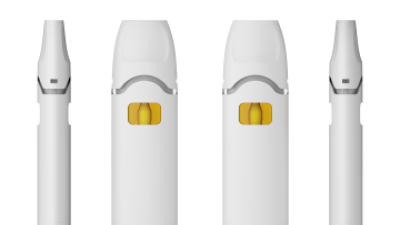
Zirconia ceramic empty disposables are designed for manufacturers seeking a cleaner, more consistent platform for premium oil-based and botanical formulations. Zirconia’s high heat resistance and chemical stability can help reduce unwanted flavor interference compared with less durable heating materials, supporting a smoother sensory profile. Grand View Research identifies advanced ceramics as a growing materials category, with demand driven by thermal stability, durability, and performance in compact electronic applications.

This format combines practical engineering with a refined user experience. The white soft-touch finish offers a modern appearance and comfortable grip, while 1.0 ml and 2.0 ml capacity options allow brands to match different product concepts and filling requirements. Industry packaging studies from Smithers also highlight the continued importance of convenience, visual differentiation, and premium tactile finishes in consumer product design—features that make a compact ceramic disposable easier to position in a competitive market.

For private-label and contract manufacturing projects, the platform is OEM ready, supporting customization of logos, housing colors, packaging, and accessories. Ceramic heating also suits thicker formulations that require controlled vaporization, provided the final liquid is properly tested for viscosity, compatibility, leakage resistance, and consistent output. With flexible capacity and presentation options, zirconia ceramic empty disposables offer a practical foundation for premium, compliant wellness and botanical product lines.

FAQS

Which type of factory fits a high-volume buyer?

A high-volume OEM factory suits standardized hardware and predictable costs. It may use mature tooling and automated assembly. Customization is often limited. Confirm capacity, component supply, and production records before ordering.

When should a buyer choose a custom-development factory?

Choose one when you need custom housings, airflow systems, packaging, or firmware. Its engineers should provide drawings, prototypes, and failure analysis. Change-control records are important. A polished prototype does not guarantee consistent mass production.

Why might a small-batch factory be useful?

Small-batch production supports regional launches and cautious market testing. It can reduce excess inventory. Unit prices may increase. That trade-off is sometimes sensible.

What quality standards should a factory demonstrate?

The factory should maintain documented procedures, trained workers, and complete production records. An ISO 9001 certificate may indicate process control. It does not prove product quality alone. Not by itself.

How can buyers check material and battery safety?

Request supplier declarations and independent laboratory reports for batteries, heating parts, seals, and liquid-contact materials. Check applicable battery transport requirements, such as UN 38.3. Reports must match the exact model and production version. Certificates can become outdated.

What should inspections cover for a vaping device?

Inspect charging performance, airflow, button response, surface finish, glass strength, coil fit, and leakage resistance. Test several units from one production batch. Record every result. Verbal assurances are weak evidence.

How should buyers compare factory quotations?

Request a line-by-line quotation covering molds, packaging, testing, shipping, materials, and finishing. Compare prices at different order quantities. Review minimum order quantities and sample fees. A low quotation may hide rework or delayed documents.

Which production terms need written confirmation?

Confirm tooling ownership, payment stages, inspection rules, defect remedies, and delivery windows. Ask how failed inspections are handled. Include extra time for packaging and independent review. Hardware can finish first. Cartons may still be late.

How can buyers assess factory reliability?

Review recent audits, batch traceability, complaint handling, and corrective-action records. Inspect random cartons during an audit. Ask operators simple process questions. Compare records with actual products. Small gaps matter.

Conclusion

A Vape Factory is a specialized manufacturing facility that develops and produces vaping devices, cartridges, pods, and related components according to a buyer’s specifications. Its work may include product design, material selection, assembly, testing, packaging, and quality control. Different factories may focus on standard products, customized designs, large-volume orders, or small-batch development, so buyers should choose a partner that matches their product type, target market, and production scale.

When evaluating a Vape Factory, buyers should review its equipment, technical expertise, quality management system, production capacity, and ability to provide consistent samples. Important documents may include business qualifications, factory audit records, product test reports, material declarations, and compliance certificates relevant to the intended market. Buyers should also compare quotations carefully, considering sample quality, minimum order quantities, lead times, payment terms, warranty support, and communication efficiency. A reliable decision should balance price with safety, transparency, manufacturing consistency, and long-term cooperation potential.

Emily

Emily

Emily is a seasoned marketing professional with a profound expertise in vape hardware, particularly tailored for the U.S. cannabis market. With over 12 years of experience in the industry, she is dedicated to showcasing the company's commitment to standardized quality, timely delivery, and......
Previous Why Do Global Buyers Choose a Vape Factory for Wholesale?