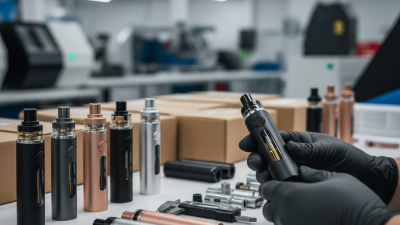
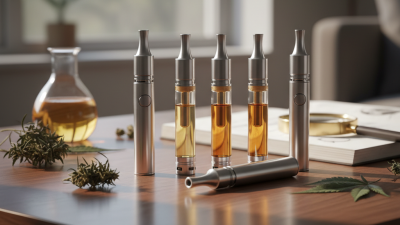
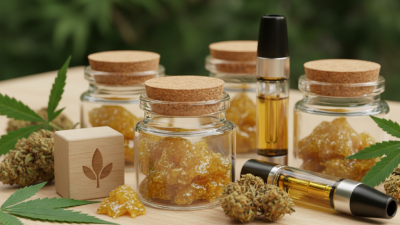
When you're sourcing Glass Cbd Cartridge Pens around the world, it’s honestly about more than just comparing prices. You really need to look into the quality of the materials, how they’re made, and whether they meet the specific rules of each country. I mean, the global CBD market was valued at around USD 7.59 billion in 2023, and it’s expected to grow at a pretty fast clip—like 16.6% annually from 2024 to 2030. That’s good news for business opportunities, but it also ramps up the risks when it comes to suppliers. Different markets have different standards—claims about products, testing requirements, import rules—you name it. It can get pretty complicated fast.
According to Brightfield Group’s research on CBD consumers, folks are still pretty keen on transparency and knowing that what they buy is consistent. And that really starts with the cartridges themselves. If you’re checking out a supplier, make sure to ask for detailed specs on the glass (preferably borosilicate), the inside components like ceramic or stainless steel, batch records, and independent lab test results. Don’t just look at a fancy sample — production samples and lab reports give a much clearer picture. Also, pay attention to things like leak tests, how they handle thermal performance, safety in packaging, and traceability. These details truly matter.
Former FDA Commissioner Scott Gottlieb once said, “We need to take steps to reverse the epidemic of youth e-cigarette use.” That really hits home. It’s a reminder that responsible sourcing isn’t just about legality or quality—it's about protecting consumers, especially young people. So, suppliers should always verify that their packaging is age-appropriate, labeling is correct and lawful, and ingredients are allowed in whatever market they’re selling into. There’s really no shortcut here.
Of course, the info available isn’t always perfect. Sometimes, supplier websites are vague or overly broad — some reports just lump CBD together instead of focusing specifically on the cartridge hardware. That’s something to really think about. A good sourcing process means double-checking everything: comparing claims with lab results, doing factory audits, and verifying compliance with regulations. When it comes to choosing a supplier for Glass CBD Cartridge Pens, the safest bet is rarely the cheapest quote. Look for someone who can back up their claims with proof of consistency, accountability, and market fit. Trust me, it’s worth the extra effort.
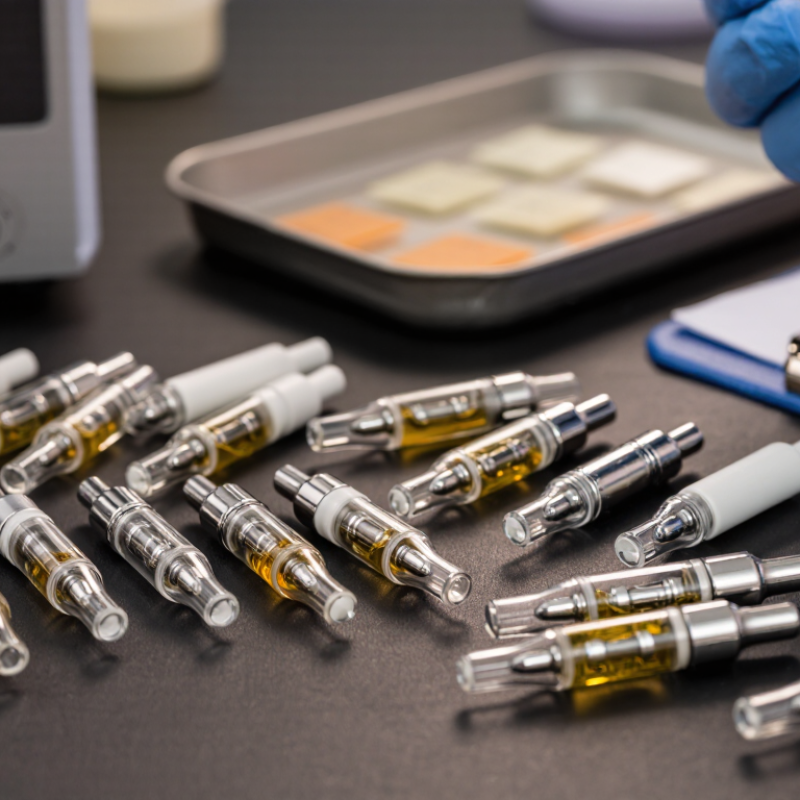
Global sourcing begins with a precise product brief, not a supplier list. Define the intended market, permitted CBD formulation, fill volume, and retail position. Requirements must follow local rules for materials, labeling, testing, and electrical safety.
For the glass body, specify borosilicate or another documented, compatible glass grade. Ask for wall thickness, dimensions, neck finish, and tolerance ranges. Clear glass supports visual inspection, while tinted glass may reduce light exposure. Choose based on the formulation and compliance guidance. Do not guess.
Technical details should also cover the mouthpiece fit, heating element material, airflow, battery connection, and charging method. Request leak, drop, heat, and storage tests using production samples. A cartridge that looks excellent may still perform poorly after transport.
Reliable sourcing depends on evidence. Request material declarations, batch records, test reports, and traceability documents from each production run. Confirm that testing comes from qualified laboratories and covers contamination, heavy metals, and product safety where required. Review the supplier’s quality controls through video records, sample inspections, or an on-site audit.
Small details matter. A loose seal, uneven glass edge, or inconsistent draw can create costly returns. An honest specification also identifies uncertainties, such as limited data on long-term storage. Perfect rarely exists, so leave room for controlled testing and revision before placing a large global order.
Sourcing glass CBD cartridge pens globally requires more than comparing unit prices. Regulations differ by destination, product type, CBD source, and trace THC level. Some countries restrict CBD imports entirely, while others require pre-approval, medical authorization, or specific laboratory evidence. Confirm the destination rules before contacting manufacturers.
Ask suppliers for a complete technical file. It should include glass composition, mouthpiece materials, heating element details, batch records, and independent certificates of analysis. Test reports should identify CBD content, THC levels, heavy metals, pesticides, solvents, and microbial risks. For products such as Cloud V Pens, packaging must match local language, warnings, net quantity, and recycling requirements. Never rely on a generic certificate from another market.
Customs preparation also matters. Check the correct tariff classification, importer registration, permits, and carrier policies. Keep commercial invoices, certificates of origin, testing documents, and product specifications consistent. A small mismatch in declared composition can delay a shipment for weeks. I have learned that a polished supplier file can still contain gaps. Review every page. Ask who performed the testing, when it was completed, and whether the tested batch matches the shipment. Local legal counsel or a qualified customs professional should confirm the final route. Do not assume a product allowed in one region can enter another.
How to read this chart: These figures show the maximum THC concentration commonly used in each market’s legal definition of industrial hemp. They are useful for initial supplier and import screening, but they are not universal limits for finished CBD cartridges. Product composition, extraction method, labeling, customs classification, licensing, and destination-country CBD rules must also be verified before shipment.
Regulatory note: The United States, Canada, and the European Union generally use a 0.3% hemp threshold, while the United Kingdom uses 0.2%. Australia permits industrial hemp with THC content of up to 1% under applicable state or territory rules. CBD products may still require additional authorization or may be restricted even when the hemp-derived THC level is compliant.
Reference framework: U.S. Department of Agriculture hemp rules; European Union Common Agricultural Policy hemp requirements; UK Home Office industrial hemp licensing guidance; Health Canada industrial hemp requirements; Australian industrial hemp legislation and therapeutic-goods requirements.
Sourcing glass CBD cartridge pens globally requires more than comparing unit prices. The supplier’s manufacturing discipline matters. I look for clear material specifications, batch records, and traceable quality checks. Borosilicate glass can offer strong thermal resistance, but the complete cartridge still needs evaluation. Review the glass thickness, threading, mouthpiece fit, and seal design.
Ask suppliers for recent test reports, factory photographs, and sample units from current production. Check each sample for cracks, cloudiness, loose fittings, and leakage after storage. A simple test helps: fill the cartridge with a suitable test liquid, store it upright and sideways, then inspect it after several days. Evaluate oil-contact components for compatibility and request documentation about extractables and heavy metals. These details also matter when sourcing components for Herb Vape Pens.
Supplier audits should cover worker training, calibration records, cleanliness, and change-control procedures. Confirm whether production follows recognized quality systems, such as ISO-based controls, where applicable. Communication is another practical test. Reliable suppliers answer technical questions directly and report defects without hiding them. I once treated a polished catalog as proof of quality. That was a mistake. Factory capacity, minimum order quantities, lead times, and export documents must be verified independently.
Request a pilot order before signing a large agreement. Measure dimensions with basic tools, repeat leakage tests, and compare the delivered batch against approved samples. International shipping can expose weak packaging, especially during temperature changes. Include acceptance standards, inspection rights, replacement terms, and compliance responsibilities in writing. Local regulations still govern every market. Check them carefully.
| Supplier Region | Common Production Strengths | Typical Initial MOQ | Typical Sample Lead Time | Typical Mass-Production Lead Time | Glass and Hardware Options | Documents to Request | Key Quality Checks | Logistics Considerations | Initial Suitability |
|---|---|---|---|---|---|---|---|---|---|
| East Asia | High-volume cartridge assembly, broad component availability, flexible customization, and competitive tooling costs. | 1,000–5,000 pieces | 7–15 calendar days | 20–45 calendar days after approval | Borosilicate glass, ceramic or metal heating elements, 510-compatible formats, custom mouthpieces, and child-resistant packaging options. | Material specifications, product drawings, batch COA, RoHS/REACH declarations where applicable, quality-system records, and packaging specifications. | Leakage test, dimensional inspection, thread compatibility, heating consistency, oil-flow performance, adhesive exposure, and glass-to-metal seal inspection. | Sea freight is economical for volume; air freight is faster but more expensive. Import classification and battery shipping rules may apply to powered devices. | Strong for scale |
| North America | Strong customer communication, regional regulatory familiarity, rapid prototyping, and easier coordination for local-market launches. | 500–2,500 pieces | 5–12 business days | 15–35 business days after approval | Glass cartridges, assembled disposable pens, custom filling solutions, and packaging designed for local compliance requirements. | Material declarations, batch records, test reports, safety data where relevant, packaging compliance files, and traceability documentation. | Lot traceability, fill-volume accuracy, leak resistance, electrical safety for powered products, mouthpiece fit, and packaging verification. | Shorter domestic transit times in the region; costs may be higher for labor, tooling, and low-volume customization. | Strong for market entry |
| European Union | Emphasis on documentation, material traceability, design quality, packaging standards, and controlled manufacturing processes. | 500–3,000 pieces | 7–15 business days | 20–45 business days after approval | Borosilicate glass, metal-free fluid paths, ceramic heating systems, recyclable packaging, and custom regulatory files. | REACH and RoHS information where applicable, food-contact or relevant material declarations, technical files, batch COAs, and quality-system evidence. | Extractables and leachables risk review, glass integrity, dimensional tolerances, seal performance, residue inspection, and packaging recyclability claims. | Efficient regional distribution; cross-border VAT, customs, and extended producer responsibility obligations should be checked by market. | Strong for documentation |
| South Asia | Growing contract-manufacturing capacity, flexible packaging support, and competitive labor costs for selected component categories. | 1,000–5,000 pieces | 10–20 calendar days | 30–60 calendar days after approval | Standard glass cartridges, basic 510-compatible designs, printed packaging, and selected custom assembly services. | Supplier profile, material certificates, inspection reports, batch COA, production photos, and written change-control procedures. | Incoming material inspection, glass wall thickness, dimensional consistency, leak testing, assembly torque, and sample-to-bulk comparison. | Transit times can vary by port and season; allow additional time for export documentation and third-party inspections. | Promising for cost control |
| Eastern Europe | Regional access to European logistics networks, moderate customization capability, and closer communication for European buyers. | 500–2,500 pieces | 7–15 business days | 20–40 business days after approval | Glass reservoirs, assembled hardware, custom packaging, and small-to-medium production runs. | Technical drawings, material declarations, batch records, quality procedures, and applicable European compliance documentation. | Leak and pressure testing, surface finish, dimensional accuracy, component compatibility, and production-lot traceability. | Road and rail freight can support regional replenishment; customs treatment varies for shipments entering or leaving the EU. | Good for regional supply |
| Latin America | Useful for regional fulfillment, market-specific packaging, and shorter delivery routes to selected local markets. | 500–3,000 pieces | 10–20 business days | 25–50 business days after approval | Standard glass cartridges, assembled devices, secondary packaging, and localized labeling services. | Supplier registration documents, material specifications, batch COA, labeling files, import documentation, and inspection records. | Label accuracy, fill-volume consistency, leak prevention, seal integrity, transport durability, and local-language packaging review. | Country-specific import rules and product classifications can vary significantly; confirm local requirements before ordering. | Good for local distribution |
| Middle East and Africa | Potentially suitable for regional distribution, customized packaging, and proximity to specific emerging markets. | 500–3,000 pieces | 10–20 business days | 25–55 business days after approval | Standard glass cartridge formats, assembled pens, protective packaging, and region-specific labeling. | Product specifications, material declarations, COA, packaging and labeling files, certificate of origin, and transport documentation. | Heat and humidity resistance, packaging durability, leak testing, seal stability, storage conditions, and shipment inspection. | Climate-controlled storage may be relevant in hot climates. Verify customs, product registration, and restrictions on CBD-related goods. | Market-dependent |
| All Regions | Supplier selection should prioritize verified manufacturing capability, transparent traceability, stable materials, and documented quality controls. | Confirm in writing before sampling | Based on design complexity | Based on order quantity and component availability | Prefer verified borosilicate glass, low-exposure fluid paths, compatible seals, and heating components validated with the intended oil viscosity. | Signed specifications, approved drawings, sample approval record, COA, change-control policy, inspection plan, and corrective-action process. | Use independent pre-shipment inspection where practical; test every approved design for leakage, thermal performance, contamination, and transport damage. | Obtain landed-cost estimates covering tooling, samples, freight, duties, testing, insurance, and rejected-goods procedures. | Required baseline |
Verifying materials and manufacturing controls should come before comparing prices. Choose food-contact or pharmaceutical-grade borosilicate glass when documentation supports that claim. Ask for material specifications, batch numbers, and supplier declarations. The mouthpiece, seal, and heating components also need review. Glass alone does not guarantee safety.
JAMA’s 2017 analysis of 84 CBD products found only 31% matched their labeled CBD content. That finding still matters. Request independent certificates of analysis for every production batch. Test for heavy metals, solvents, pesticides, microbial contamination, and cannabinoid accuracy. Evaluate extractables and leachables using a risk-based approach, such as USP and . Manufacturing sites should show controlled processes, traceability, and documented corrective actions. ISO 9001 helps, but it is not proof of product safety. A certificate can look impressive. It can still be incomplete.
Tips: Inspect glass under bright light for chips, haze, and stress lines. Test filled units for leakage, clogging, and heating consistency. Request stability data at different temperatures. Check packaging compatibility before mass production. Confirm local rules for CBD products, labeling, importation, and testing in each destination. WHO’s 2018 critical review discussed pure CBD’s safety profile, but its findings do not replace local regulatory review. I would also repeat random testing after shipment. That step is easy to overlook.
When sourcing glass CBD cartridge pens globally, compare quotes beyond the unit price. Ask suppliers to separate glass, mouthpiece, filling, packaging, testing, and setup charges. A quote of $0.82 may become $1.14 after custom packaging and inspection. Request a dated specification sheet. Confirm glass type, oil compatibility, leak-test method, and defect allowance. My purchasing reviews become clearer when every assumption appears in writing. Still, early quotes can change.
Minimum order quantities often hide the real financial risk. A factory may accept 1,000 units, but charge more for a smaller production run. Ask whether the MOQ applies to each color, design, or total order. Order samples before committing to thousands of pieces. Check the thread fit, airflow, seal quality, and glass clarity by hand. A sample can look excellent, yet production consistency may disappoint. That possibility deserves a written quality agreement.
Global shipping needs equal attention. Compare courier, air freight, and sea freight using the same delivery terms. Check transit time, insurance, customs responsibility, and destination fees. Request carton dimensions and gross weight before calculating landed cost. For Vaporizer Pens, suppliers should provide accurate product descriptions and compliance documents where required. Confirm local rules for CBD products, packaging, labeling, and importation before payment. Some shipping options appear cheap, but delays can damage inventory planning. I have learned that the fastest route is not always the most reliable.
How to Source Glass CBD Cartridge Pens Globally?
Sourcing glass CBD cartridge pens globally requires more than comparing unit prices. Start with a documented sample request. Specify glass type, reservoir capacity, connector dimensions, heating element, packaging, and permitted materials. Ask suppliers to identify their production site and subcontractors. Cloud Vapor Pens should follow the same checklist, not appearance alone.
Order samples from several factories, then test them in realistic conditions. Record oil compatibility, leakage after storage, airflow, draw resistance, and residue after repeated use. Inspect threads with a gauge and check every glass body under bright light. Request material declarations and batch traceability records. Independent laboratory testing can verify composition and contaminants where legally required. Do not rely on a polished sample.
Supplier agreements should define approved specifications, tolerances, inspection stages, defect limits, replacement duties, and change-control rules. Include pre-shipment inspection rights and a retained reference sample. Clarify delivery terms, packaging protection, confidentiality, and documentation responsibilities. Every claim must remain lawful in the destination market. Avoid health promises and confirm local requirements before ordering.
A practical weakness remains. Sample performance may differ from mass production. Small seal changes can create unexpected seepage. For that reason, approve a pilot batch before making a large commitment. Keep inspection photos, test results, and signed revisions in one controlled file. Good sourcing is evidence-based, but never perfectly predictable.
Check destination rules for CBD, trace THC, product type, and import permits. Some locations may restrict imports completely. Confirm the route with qualified local counsel. Do not rely on assumptions.
Request glass specifications, mouthpiece materials, heating details, batch records, and independent testing certificates. The file should identify CBD content, THC levels, metals, pesticides, solvents, and microbes. Review every page. A polished file can still contain gaps.
No. Glass quality matters, but seals, mouthpieces, and heating parts also require review. Ask for material declarations and batch numbers. Inspect samples under bright light for chips, haze, or stress lines. Glass alone proves little.
Request an independent certificate of analysis for every production batch. Confirm the tested batch matches the shipment. Ask when testing occurred and who performed it. Repeat random testing after delivery. It is easy to overlook.
Check local language, warnings, net quantity, recycling marks, and product descriptions. Packaging must match destination requirements. Confirm compatibility between the package and filled product. Small label errors can delay customs clearance.
Separate glass, mouthpiece, filling, packaging, testing, and setup charges. A low unit price may rise after inspection and custom packaging. Request a dated specification sheet. Early quotes can change.
Confirm whether the minimum applies to each design, color, or total order. Order samples before purchasing thousands of units. Test thread fit, airflow, seals, leakage, and heating consistency. Samples can mislead.
Compare courier, air, and sea freight using identical delivery terms. Include insurance, customs responsibility, destination fees, carton size, and gross weight. Confirm carrier policies before payment. The cheapest route may create costly delays.
Sourcing Glass Cbd Cartridge Pens globally begins with clearly defining product requirements, including capacity, dimensions, closure type, material composition, compatibility, and packaging needs. Buyers should research the regulations and import requirements in each target market, confirming that the products, materials, labeling, and documentation meet all applicable legal and safety standards. A structured supplier search can then focus on manufacturers with relevant experience, transparent facilities, reliable communication, and verifiable production capabilities.
Before placing an order, request material specifications, test reports, certifications, and samples to evaluate durability, sealing performance, chemical compatibility, and overall workmanship. Compare quotations carefully, considering minimum order quantities, tooling fees, lead times, payment terms, and international shipping options rather than focusing only on unit price. Finally, establish a quality inspection process and a written supplier agreement covering specifications, tolerances, packaging, delivery schedules, defect handling, confidentiality, and compliance responsibilities. This approach helps reduce sourcing risks and supports consistent, responsible procurement across international markets.