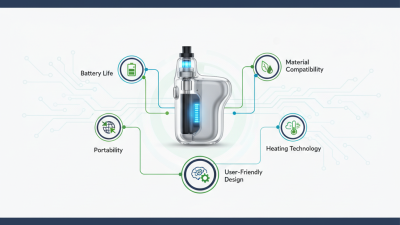
Finding a compliant vape cartridge in 2026 isn’t just about comparing prices or looking at product photos. You really need solid evidence that every part of the product is up to standard, traceable, and backed by consistent quality checks. It’s a good idea to start with the market you’re aiming for because regional rules can vary—things like materials, labels, packaging, electrical safety, and testing requirements might all differ depending on where you’re selling.
Michael Wang, who’s a compliance consultant for vape hardware, always reminds people: “Compliance isn’t just a checkbox; it’s a process that relies on proof.” That’s a pretty important point when you’re vetting suppliers. Ask for things like current licenses, manufacturing records, material specs, lab test reports, and documented quality procedures. And don’t just accept a generic certificate—make sure the test results actually match the specific model, batch, and factory.
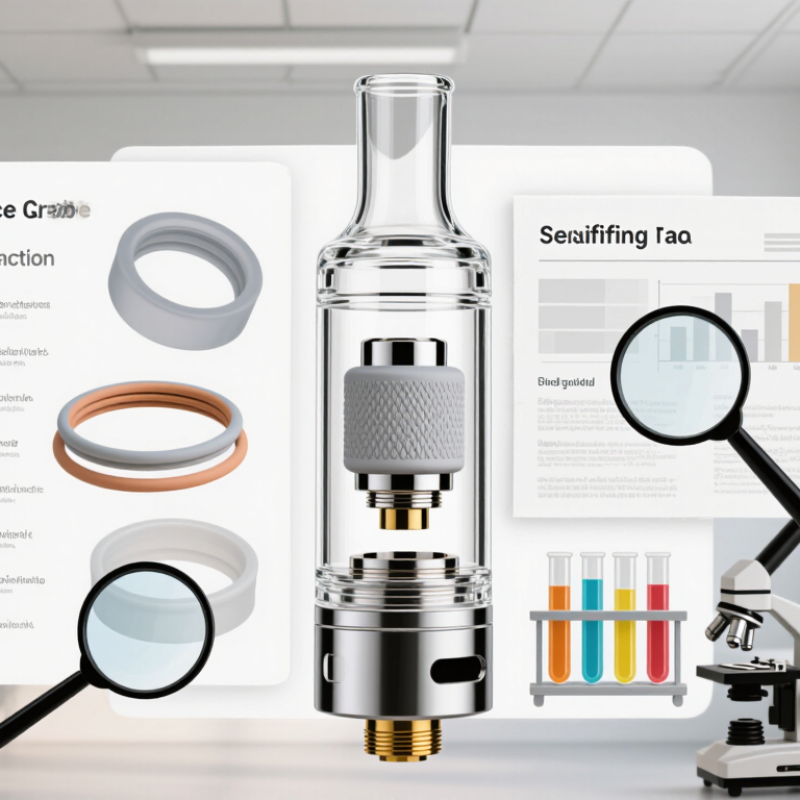
Take a close look—literally. When it comes to the glass parts, check for clarity, wall thickness, sealing surfaces, and whether they can handle thermal stress without cracking. For metal bits, ask for alloy info and tests that show no harmful contaminants. When reviewing a Vape Cartridge Glass Cartridge Kit, ensure that the glass, ceramic parts, seals, and connectors are all designed to work together as a seamless system. Problems here can lead to leaks, bad airflow, or inconsistent performance.
Trustworthy sourcing also depends on good communication with the factory. Can they explain how they do batch coding? Do they keep samples on hand? Are they able to show records of corrective actions if something’s gone wrong? These kinds of details tell you more about how mature and reliable their operation is, way beyond shiny brochures. Nobody’s perfect, of course—every system needs regular review, audits, and sometimes even redesign.
This guide aims to give you a practical framework for sourcing in 2026. The focus is on documented compliance, transparent manufacturing practices, responsible distribution, and making safer decisions when you buy. It’s not about promising zero risks—that’s impossible—but about reducing those avoidable questions and uncertainties before the production kicks off.
Map 2026 Compliance by Market: THC Caps, Taxes, Licensing, and Age 21+
Sourcing compliant vape cartridges in 2026 starts with a market-by-market review. Each jurisdiction may set different THC caps, tax rates, and licensing rules. Age 21+ remains a common retail requirement in regulated adult-use markets, but local exceptions still matter. Check the official regulator before contacting suppliers.
Ask every supplier for an active license, batch records, and independent laboratory reports. Confirm cannabinoid strength, ingredients, contaminants, and batch numbers. A 3ml Vape Cartridge may require special packaging or labeling controls in some markets. Verify whether that capacity is permitted locally. Do not rely on a supplier’s sales sheet alone.
Taxes also affect the real purchase cost. Compare excise tax, sales tax, testing fees, and import restrictions before approving a quotation. Packaging should be child-resistant, tamper-evident, and clear about warnings and age limits. Keep certificates, invoices, and inspection photos in one traceable file. Small gaps become expensive later. A spreadsheet can look complete while missing a renewal date. Review it again. Personally identifiable data and unsupported health claims should never appear on the label. Rules change, and even careful sourcing teams can overlook a new municipal requirement.
Prequalify Suppliers: Confirm GMP, ISO 9001, and 24-Month Records
Sourcing a compliant Vape Pod Cartridge begins with supplier prequalification, not a polished sample. In practice, I ask for current GMP evidence and an ISO 9001 certificate directly from the issuing body. The documents should show scope, site address, expiry date, and certification status. A certificate alone is not enough. I also request 24 months of production and quality records. These records should include batch release results, deviations, complaints, recalls, and corrective actions. Missing pages matter.
For each batch, review material specifications, incoming inspection logs, and test reports from qualified laboratories. Check whether the supplier can trace one component from receipt to finished shipment. A simple trial helps: select three lots and compare dimensions, seal integrity, airflow, labeling, and packaging. Record the findings with photos and signed inspection sheets. Ask how design changes are approved and communicated. If answers depend on one employee, the system is fragile. That is an uncomfortable signal.
An on-site or remote audit should test real behavior, not presentation. Watch operators verify line clearance, calibration status, and batch numbers. Confirm training records are current and linked to actual roles. Review storage conditions, sanitation logs, pest controls, and controlled document versions. Keep an approval file with risk ratings, open actions, and review dates. I would not approve a supplier because every document looks perfect. Records can be tidy while daily practice slips. Recheck critical evidence before each contract renewal, and pause sourcing when traceability breaks.
Validate Hardware Against USP <232>/<233> Metals Limits and IEC 62133-2
Sourcing a compliant 510 Vape Cartridge starts with documented material control, not appearance. Ask suppliers for alloy grades, solder details, coatings, and component traceability. Map every metal-contacting part, including the heating element, shell, pin, and adhesive. USP sets elemental impurity limits, while USP describes analytical procedures. These chapters were not written specifically for every vape component. Still, they provide a disciplined metals-screening framework. Confirm the intended application and jurisdiction before treating results as acceptance criteria. That caveat matters.
Require an independent laboratory to test representative production samples, not only a polished preproduction unit. Use validated digestion and ICP-based methods aligned with USP . Review detection limits, recovery data, sample preparation, and chain of custody. Test different lots and aging conditions. A cartridge can look identical while its plating chemistry changes. Ask for results covering lead, cadmium, arsenic, and mercury, plus other relevant elements. Do not accept “food grade” as a metals report.
Battery safety needs a separate evidence trail. For rechargeable assemblies, review IEC 62133-2 testing, cell identification, protection circuitry, abuse results, and transport documentation. The standard concerns portable sealed secondary lithium cells and batteries, so its scope must be checked carefully. Verify electrical contacts, insulation, charging behavior, and thermal performance in the assembled device. I would also inspect samples after vibration and repeated charging. This is where sourcing teams often under-test. A certificate can be genuine yet incomplete. Record deviations, investigate them, and repeat testing after design changes. Reliable purchasing depends on repeatable evidence, not one impressive document.
Verify Potency with ISO/IEC 17025 COAs and California’s ±10% Rule
How to Source Compliant Vape Cartridges in 2026?
California’s regulated market recorded about $4.37 billion in cannabis sales during 2023, according to the California Department of Tax and Fee Administration. That scale makes documentation more important, not less. For every cartridge batch, request a current Certificate of Analysis from an ISO/IEC 17025-accredited laboratory. Check the accreditation scope carefully. It should cover cannabinoid potency, contaminants, and the relevant product matrix. An ISO logo alone proves very little.
California’s Department of Cannabis Control requires labeled cannabinoid potency to remain within approximately ±10% of laboratory results. Compare the COA’s tested values with the package label, batch number, manufacture date, and expiration date. A 92% label result paired with an 81% test result deserves investigation. So does a COA with missing measurement uncertainty. I have seen purchasing teams trust a polished PDF too quickly. That is a costly habit.
Tips: Ask for the raw laboratory report, not only a sales summary. Confirm the lab’s accreditation through its official directory. Review pesticide, heavy-metal, microbial, and residual-solvent results. Record supplier responses. Keep an audit trail for each batch. A COA is evidence, not a guarantee. Testing methods, limits, and California rules can change, so review DCC updates before approving inventory.
Screen Every Oil Lot for Pesticides, Solvents, Microbes, and Heavy Metals
How to Source Compliant Vape Cartridges in 2026?
A compliant cartridge program starts with the oil lot, not the packaging. Every lot should receive a unique code, sealed sample, and documented chain of custody. Do not rely on one certificate for repeated production. Oil can change after processing, storage, or transport. Test pesticides, residual solvents, microbial contamination, and heavy metals before release.
Use an independent laboratory with appropriate accreditation and validated methods. Ask for detection limits, test dates, sample weights, and clear pass or fail criteria. A vague certificate creates risk. Review pesticide panels suited to the crop and region. Solvent testing should cover the extraction process. Microbial screens should include yeast, mold, and relevant pathogens. Heavy metal testing should cover lead, arsenic, cadmium, and mercury.
Keep retained samples in sealed containers under controlled conditions. Compare laboratory results with supplier records and internal observations. Unexpected color, odor, viscosity, or sediment deserves investigation. Our early checklist focused too heavily on final certificates. It missed storage conditions and sampling quality. That was a useful failure. Testing only the finished cartridge can also hide oil-specific problems. Screen the oil before filling, then verify the finished unit when risk warrants it. Document deviations, corrective actions, and approval decisions. Compliance is not a one-time purchase check. It is a repeatable process supported by evidence, trained reviewers, and honest reassessment.
Build 100% Lot Traceability with QR Codes, Retain Samples, and Recall Logs
Sourcing compliant vape cartridges in 2026 requires evidence, not promises. For any product, including a Thca Vape Cartridge where legally permitted, request batch records before placing an order. Review ingredient specifications, manufacturing controls, laboratory results, and packaging details. Confirm that every document matches the same lot number. A polished certificate means little if its sample cannot be linked to production.
Assign each lot a unique identification code. Print a QR code on the package, carton, and shipping record. The code should open a controlled record with the lot number, production date, test status, and destination. Staff should scan cartons during receiving, storage, and dispatch. Keep access logs with user names and timestamps. Test the system with a damaged label. If workers cannot retrieve the record quickly, the process is not ready.
Retain representative samples from every lot under documented conditions. Record sample quantity, seal number, storage temperature, and review date. Keep enough material for an independent check when a complaint appears. Maintain a recall log with the affected lot, decision owner, customer notifications, returned units, and final disposition. Run a mock recall twice yearly. Measure the time from complaint to confirmed shipment locations. Our process still has weak points when manual entries differ from warehouse scans. That gap deserves correction, not excuses. A second-person review can catch a wrong digit before distribution.
How to Source Compliant Vape Cartridges in 2026?
A lot-control dashboard should target complete records for QR-linked traceability, retained samples, and recall documentation before a cartridge lot is released.
The 100% values represent release-control targets: every lot should have a scannable QR record, documented retain samples, and a tested recall log. Actual legal requirements vary by jurisdiction and should be verified before sourcing.
Sprite Postless: A Clear Guide to Crystal-Clear Disposable Vape Hardware
Postless Disposable Vape hardware is designed to deliver a clearer, more consistent experience through a streamlined internal structure. By removing the traditional center post, the airflow path becomes more direct, helping produce smoother draws and purer flavor. Wide airflow channels support steady circulation while reducing the risk of clogging, making the device suitable for users who value reliable performance and a clean, uncluttered design.
An open top-fill configuration makes refilling quick and straightforward, minimizing spills and simplifying routine handling. The optimized chamber is engineered to make better use of the oil, leaving less residue behind and helping maintain flavor from the beginning of the session to the end. An integrated battery indicator adds practical convenience by showing remaining power in real time, allowing users to monitor usage without guesswork. Combining efficient airflow, accessible filling, improved oil utilization, and visible battery status, this crystal-clear hardware format offers a functional solution for legal-age adult users seeking a refined and easy-to-manage vaping device.
FAQS
Review local cannabinoid limits, taxes, licensing rules, packaging requirements, and minimum age rules.
Request an active license, batch records, independent laboratory reports, invoices, and traceability documents.
Review cannabinoid strength, ingredients, contaminants, batch numbers, and laboratory testing methods.
Packaging may need child-resistant and tamper-evident features.
Compare excise tax, sales tax, testing fees, shipping costs, and import restrictions.
Request current quality certifications, site details, expiry dates, and certification scope.
Observe line clearance, calibration checks, batch numbering, training records, sanitation, storage, and document control.
Map every metal-contacting part, including heating elements, shells, pins, coatings, and adhesives.
Conclusion
Sourcing a compliant Vape Cartridge in 2026 requires a market-by-market compliance plan. Before placing an order, confirm each destination’s applicable ingredient limits, taxation, licensing obligations, labeling rules, and minimum-age requirements, including age 21+ standards where required. Suppliers should be prequalified through documented GMP and ISO 9001 systems, supported by at least 24 months of quality and production records.
Hardware and product testing are equally important. Cartridge components should be assessed against relevant USP / elemental impurity limits and IEC 62133-2 safety requirements. Independent laboratories operating to ISO/IEC 17025 should verify potency, with results meeting applicable regional tolerances, including California’s ±10% rule where relevant. Every oil lot should be screened for pesticides, residual solvents, microbial contamination, and heavy metals. Finally, implement complete lot traceability through QR codes, retained samples, and documented recall logs, enabling rapid investigation and reliable consumer protection.

 +86-13392325565
 CONTACT US
 CONTACT US