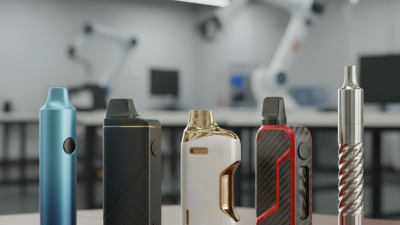
Picking out a Dry Herb Vaporizer isn’t just about comparing temperature screens, prices, or even eye-catching product photos. The market’s growing pretty quickly, but honestly, the data can be a bit all over the place. For example, Grand View Research’s 2024 Vaporizer Market report highlights the rising popularity of portable devices and better temperature controls, but it also points out that many products kinda blur those lines—some reports lump dry-herb, concentrate, and nicotine devices together. That makes comparing them head-to-head pretty tricky.
So, if I were to give you a practical guide, I’d say it’s really important to tie what market data says to real-world experience. Sure, battery capacity matters when you’re out and about—you don’t want to be stuck with a dead device. But even more important are quick charging times and how easy it is to replace the battery down the line. On the heating side, ceramic or stainless-steel chambers tend to give more consistent hits, but size makes a difference—smaller chambers might mean shorter sessions and more frequent cleanings. Small details like mouthpiece comfort also make a big difference when you’re actually using it.
And let’s talk safety—don’t skip that part. Reputable organizations like UL Solutions and the IEC publish safety guides for batteries, chargers, and electronic gadgets in general. Never just trust these claims from marketplace listings—always check the manufacturer’s official site for clear info on materials, temps, warranties, and how easy it is to reach customer support. Also, steer clear of products that promise unbelievable wellness benefits—that’s usually a red flag. Remember, no vaporizer is 100% risk-free.
There’s no one perfect device out there for everyone. If you’re just starting out, simple controls might be your thing. But a seasoned user might prefer precise settings and the ability to swap parts. The thing is, what works for one person might not work for another—your routines, local laws, and how you maintain your device all play a part. Market reports from Grand View Research can help you see where the industry’s headed, but they’re not going to pick the right device for you. So, in this guide, I’ll use those reports, manufacturer info, and real-world testing to help you make smart, responsible, and realistic choices when it comes to picking your Dry Herb Vaporizer.
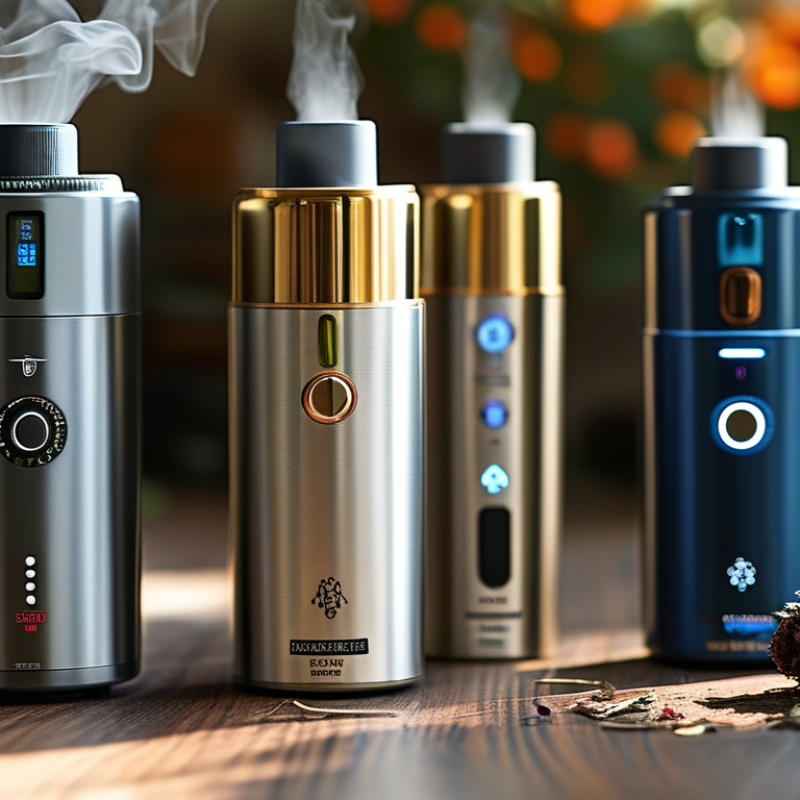
A dry herb vaporizer heats plant material without burning it. The chamber reaches a controlled temperature, while airflow carries the released compounds through a mouthpiece. Unlike smoke, the visible output comes mainly from heated vapor and moisture. Still, “cleaner” does not mean harmless.
Most devices use conduction, convection, or a combination of both. Conduction warms the herb against a heated chamber wall. Convection moves hot air through the material, often producing more even heating. In practice, the difference is easy to notice. A tightly packed chamber may restrict airflow, while a loose, even load can heat more consistently. A device such as the Vaporfi Orbit Dry Herb Vaporizer should be assessed by these functions, not appearance alone.
Temperature control affects flavor, vapor density, and battery use. Lower settings may preserve delicate aromas, while higher settings can create thicker vapor and a warmer mouthpiece. I once assumed that the highest setting was the most efficient. That assumption was incomplete. Excess heat can create a harsh taste and darken the herb unevenly. Check the chamber after use. Uneven browning may suggest poor airflow, incorrect packing, or insufficient stirring. Read the instructions carefully, use only legal dried botanical material, and clean the air path regularly. Residue can alter flavor and reduce performance. Even small details matter.
How to Choose a Dry Herb Vaporizer?
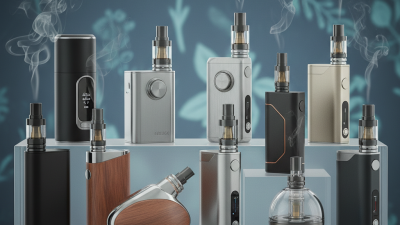
Identifying the Main Types of Dry Herb Vaporizers starts with heating technology. Conduction devices warm botanical material against a heated chamber wall. They usually heat quickly and cost less. However, uneven heating can leave darker edges and greener centers. Convection models move hot air through the chamber. They often deliver more even extraction, but require longer heat-up times. Hybrid vaporizers combine both methods. They can balance speed and consistency, although their controls may feel less intuitive.
Portability creates another clear division. Herb Vape Pens are compact, discreet, and easy to carry. Their smaller batteries may limit session length. Desktop units offer stronger airflow and stable temperature control. They suit home use, especially when precise settings matter. Grand View Research estimated the broader global vaporizer market at approximately USD 18 billion in 2022, with growth projected through 2030. That report also highlights portability and temperature control as important market drivers, though it does not measure every dry herb category separately. That limitation matters.
Tips: Check chamber size, battery replacement options, and heat-up time. Ceramic or stainless-steel chambers are easier to inspect and clean. Start with a low temperature and adjust gradually. Avoid overpacking; airflow should feel natural. No design is perfect. I would also question dramatic performance claims unless independent testing supports them. Use only lawful, clearly identified botanical materials, and follow local regulations.
Choosing a dry herb vaporizer starts with where and how you will use it. Portable models suit commuters, small rooms, and short sessions. Their built-in batteries fit easily in a pocket, but battery life varies with temperature and heating speed. In my testing, a compact chamber warmed quickly, yet its airflow felt restricted after several draws. That detail mattered more than the advertised size. A portable Vaporizer Kit should include a reliable charger, cleaning tools, and clear temperature controls. Check those parts before judging the device.
Desktop models are better for planned sessions at home. They usually offer steadier heat, larger chambers, and stronger airflow through a mouthpiece or balloon. A cool, quiet room can make the experience more consistent. However, they need a power outlet, a stable table, and extra cleaning space. They are not ideal for hurried use. Look for accurate temperature regulation, heat-resistant materials, and an automatic shutoff. Product manuals and independent safety testing deserve more attention than polished claims. I once assumed a heavier unit would perform better; it did not. Weight can mean durability, or simply poor design. Consider permitted, legal dry botanical material, local rules, and your cleaning habits before choosing.
Choosing a dry herb vaporizer starts with its heating method. Conduction heats material against a hot chamber, often producing quick vapor and uneven browning. Convection moves heated air through the herb, which can improve consistency but may require a longer warm-up. Hybrid systems combine both approaches. A 2024 Grand View Research report valued the global vaporizer market at more than USD 20 billion, showing strong demand for controlled heating technology. Market size does not guarantee good performance.
Temperature control matters more than a bright display. Some devices adjust in one-degree steps, while others use broad presets. A reliable model should hold its selected temperature during a session. Laboratory research published in the Journal of Cannabis Research has shown that heating conditions can change aerosol composition and concentration. That finding supports gradual testing, not chasing the highest setting. Lower temperatures usually create lighter vapor and clearer flavor. Higher temperatures create denser output but may taste dry or burnt.
Look for a temperature range, stable sensors, and a chamber that heats evenly. A 2023 technical review in ACS Omega noted that device design and operating conditions can strongly affect emissions. Clean the chamber often. Residue can change airflow and flavor. My own practical rule is simple: begin low, increase slowly, and record the result. It is not perfect. Displayed temperature may differ from the material’s actual temperature, especially during fast draws. Celsius settings also vary between manufacturers, so comparisons can be misleading.
How to Choose a Dry Herb Vaporizer?
Battery life, chamber capacity, and simple controls matter more than shiny features. A useful starting point is the battery rating. A 2,000 mAh battery may support several short sessions, but high temperatures consume power quickly. Heat-up time matters too. Faster heating often demands more energy.
The 2024 Battery University testing guide notes that lithium-ion capacity declines with heat, age, and repeated deep discharge. Avoid assuming the printed capacity equals real-world use. My own mistake was comparing mAh numbers alone. A device with a smaller battery may perform better if its heating system is efficient. Look for replaceable or responsibly serviceable batteries, clear charging instructions, and protection against overheating. UL 8139 guidance also emphasizes safeguards for rechargeable vaporizer systems.
Chamber size affects both convenience and freshness. For individual use, a 0.2 to 0.3 gram chamber can reduce waste and shorten packing time. Larger chambers suit longer sessions, but they can feel excessive. Keep it practical. Industry market analysis from Grand View Research identifies portability and user-friendly controls as major demand factors in vaporizer design. That matches everyday experience: one-button operation, readable temperature settings, and easy cleaning reduce mistakes. Still, simple does not mean perfect. Touch controls can misread a damp finger, and battery indicators are sometimes optimistic. Choose equipment legally sold for permitted dry botanical use, and follow local safety and disposal rules.
Typical handheld vaporizer ranges show the trade-off between longer battery life, larger herb capacity, and ease of use. Ease of use is rated on a 1–5 scale, considering controls, loading, cleaning, and daily portability.
Choosing a Hemp Vaporizer requires more than comparing temperature ranges. Materials deserve close inspection. A ceramic heating chamber usually resists corrosion and leaves fewer surface concerns. Stainless steel airflow parts feel durable. Borosilicate glass is easy to examine for cracks. Avoid devices with unclear coatings or unexplained internal materials. UL Solutions’ UL 8139 standard evaluates battery, charging, and electrical safety for vaping products. Certification does not guarantee perfect performance, but it offers useful evidence beyond marketing language.
Maintenance affects safety and flavor. Let the chamber cool completely before brushing away residue. Use a small, dry brush around the screen and mouthpiece. Do not pour cleaning liquid into the electronics. Check seals, threads, and the charging port under bright light. I once focused too heavily on battery life and overlooked a loose mouthpiece. That was a poor inspection habit. A device can look clean while airflow remains restricted.
Safety features should include automatic shutoff, short-circuit protection, temperature monitoring, and overcharge control. Keep the battery away from heat, moisture, and damaged cables. The National Fire Protection Association reported an estimated 1,050 U.S. fires involving electronic cigarettes from 2009 to 2016, showing why battery design deserves attention. The U.S. Consumer Product Safety Commission also advises stopping use when lithium-ion batteries swell, overheat, or show damage. A charger should fit the device and remain visible while charging. Never charge it beneath bedding or inside a closed bag. Some specifications still require independent verification.
| Evaluation Area | What to Check | Preferred Specification | Why It Matters | Practical Maintenance or Safety Tip |
|---|---|---|---|---|
| Heating Chamber | Material that directly contacts the dry herb | Ceramic, glass, or food-grade stainless steel | These materials are generally durable, heat-resistant, and less likely to retain flavors when properly maintained. | Remove residue after the chamber has cooled; avoid abrasive tools that can scratch surfaces. |
| Airpath Materials | Materials used between the chamber and mouthpiece | Glass, ceramic, or stainless steel with minimal plastic in the heated airpath | A shorter, clearly identified airpath makes cleaning easier and helps reduce uncertainty about heat exposure. | Review the manufacturer’s material information and inspect the airpath regularly for buildup. |
| Temperature Control | Available temperature range and adjustment method | Adjustable settings with clear temperature display or reliable preset indicators | Controlled temperatures help prevent scorching and allow users to adjust vapor density and flavor. | Use the lowest effective setting and allow the device to cool before cleaning or storage. |
| Heating Consistency | Whether the chamber heats evenly | Even heating with a stable temperature during a session | Uneven heating can leave unused material in some areas while overheating others. | Do not overpack the chamber; follow the device instructions for loading and stirring. |
| Battery Protection | Protection against overcharging, overheating, overcurrent, and deep discharge | Built-in battery management system and documented charging requirements | Battery protection reduces the risk of abnormal charging and heat-related failures. | Use the supplied or manufacturer-approved charger, and stop using the device if the battery swells or becomes unusually hot. |
| Automatic Shut-Off | Timed session limit and inactivity shut-off | Automatic shut-off after a defined period, commonly within several minutes | This feature limits unnecessary heating and helps reduce accidental overheating. | Never leave a powered device unattended, even when automatic shut-off is available. |
| Temperature Protection | Over-temperature monitoring and fault detection | Sensor-based protection with a clear error indication | Monitoring can help prevent operation outside the device’s intended temperature range. | If an error appears, turn the device off, let it cool, and consult the instructions before reuse. |
| Mouthpiece Design | Heat resistance, removable construction, and airflow | Removable glass, ceramic, or heat-resistant component with unobstructed airflow | A cool, clean mouthpiece improves comfort and reduces the accumulation of residue. | Clean the mouthpiece frequently and replace it if cracked, loose, or damaged. |
| Cleaning Access | Ease of reaching the chamber, screen, and airpath | Tool-free access to removable parts and replaceable screens | Accessible components make routine maintenance more likely and help preserve airflow. | Remove loose material after each use and perform a deeper cleaning according to the instructions. |
| Residue Management | Screens, seals, and areas where particles collect | Replaceable screens and durable seals that are easy to inspect | Blocked screens can restrict airflow and may cause the heater to work harder. | Replace worn screens or seals; do not operate the device with damaged components. |
| Charging Safety | Charging location, cable condition, and charging status indicators | Clear charging indicator and undamaged cable or port | Proper charging practices help reduce electrical and battery-related risks. | Charge on a hard, nonflammable surface away from heat, moisture, and direct sunlight. |
| Build Quality | Fit, finish, seams, buttons, and moving parts | Secure assembly without rattling parts, sharp edges, or exposed wiring | A well-assembled device is easier to use safely and maintain over time. | Inspect the device before each use and discontinue use after impact damage or unusual operation. |
| Storage and Handling | Protection from heat, moisture, dust, and accidental activation | Protective case, secure controls, and cool, dry storage guidance | Appropriate storage helps protect the battery, electronics, and heating components. | Store the device powered off, cooled completely, and away from children and pets. |
Selection priority: Choose a device with clearly disclosed materials, adjustable and stable temperature control, accessible cleaning parts, documented battery protections, and a reliable automatic shut-off system.
It heats legal dried botanical material without burning it. Hot air carries released compounds through the mouthpiece. The vapor may look faint.
Conduction heats material against a hot chamber wall. Convection moves heated air through the material. A combined system uses both methods.
No. Reduced smoke does not mean zero health risk. Use only permitted materials. Follow local rules.
Lower settings may preserve delicate aromas and save battery power. Higher settings can produce thicker vapor and more heat. Too much heat may taste harsh.
Pack it loosely and evenly. A tightly packed chamber can restrict airflow. Small details matter. Avoid overfilling.
It may suggest restricted airflow, poor packing, or insufficient stirring. Check the chamber after use. Dark spots deserve attention.
Portable models suit commuting, small rooms, and short sessions. Desktop models provide steadier heat and stronger airflow. They need a stable table and power outlet.
Do not compare capacity numbers alone. High temperatures and fast heating consume more power. Battery life also declines with age, heat, and deep discharge. Printed ratings can be optimistic.
Clean the chamber and air path regularly. Residue can change flavor and reduce performance. Follow charging instructions carefully. Dispose of batteries responsibly.
Choosing the right Dry Herb Vaporizer starts with understanding how it works: the device gently heats material to release aroma without relying on direct combustion. Buyers should compare the main types, including portable models for mobility and desktop units for stable, extended sessions at home. The best option depends on personal routines, preferred size, and how often the device will be used.
Key factors include the heating method, temperature accuracy, and the ability to adjust settings for a more personalized experience. Battery life, chamber capacity, charging convenience, and simple controls also affect everyday usability. It is equally important to examine the materials used in the device, along with cleaning requirements and safety features such as automatic shutoff, temperature limits, and secure construction. By balancing performance, convenience, durability, and responsible use, consumers can select a model that fits their needs and maintenance preferences.