Get Samples & Quotes
Leave Your Message
0%

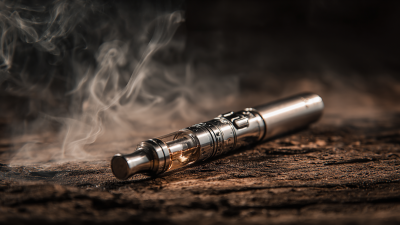
A Glass CBD Atomizer is basically a small device used to hold and spray a measured amount of liquid—think of it like a tiny spray bottle, but more techy. It has a glass reservoir where the formulation is stored, and depending on the model, it might use an internal pump, a wick, or even a heating element to deliver the liquid. The design can vary quite a bit from one product to another. Some rely on simple manual pressure, while others connect to a battery-powered device. Understanding these differences can actually help you pick the right one for legally marketed CBD products.

People often choose glass because it tends to resist reacting with many liquids better than some plastics. Plus, it makes it easy to see what's inside—checking the color and how full it is before you use it. But, I gotta say, glass isn’t perfect. It can break if you’re not careful, and if the seals aren’t good enough, you might get leaks around the cap or mouthpiece. From my experience, paying attention to small details like gasket material and how securely everything connects really matters. And honestly, a shiny, polished look doesn’t guarantee quality.

If you want to buy a reliable atomizer, it’s important to look at the specs—like what materials are used, how it was made, batch testing results, and clear instructions for use. Independent lab reports can be a real lifesaver—they help verify the ingredients and check for contaminants, assuming regulations in your area allow that. Also, always double-check your local laws, pay attention to product labels, and make sure you meet age requirements before buying or using. Remember, not every atomizer works the same with every formula—factors like viscosity, temperature, storage methods, and device voltage can really influence performance. And a good rule of thumb? Keep the device upright.

This guide is here to walk you through how a Glass Cbd Atomizer works, what its main parts do, and which small but important details to pay attention to. I’ll also point out some common weak spots because, let’s face it, real-world performance often differs from what you see in product descriptions. So, taking your time to choose carefully can definitely save you trouble later on.
What Is a Glass CBD Atomizer and How Does It Work?

Definition and Basic Structure of a Glass CBD Atomizer

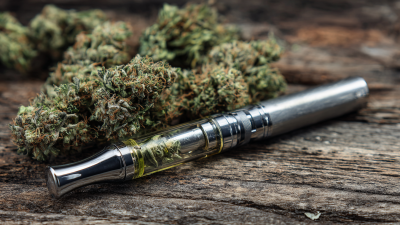
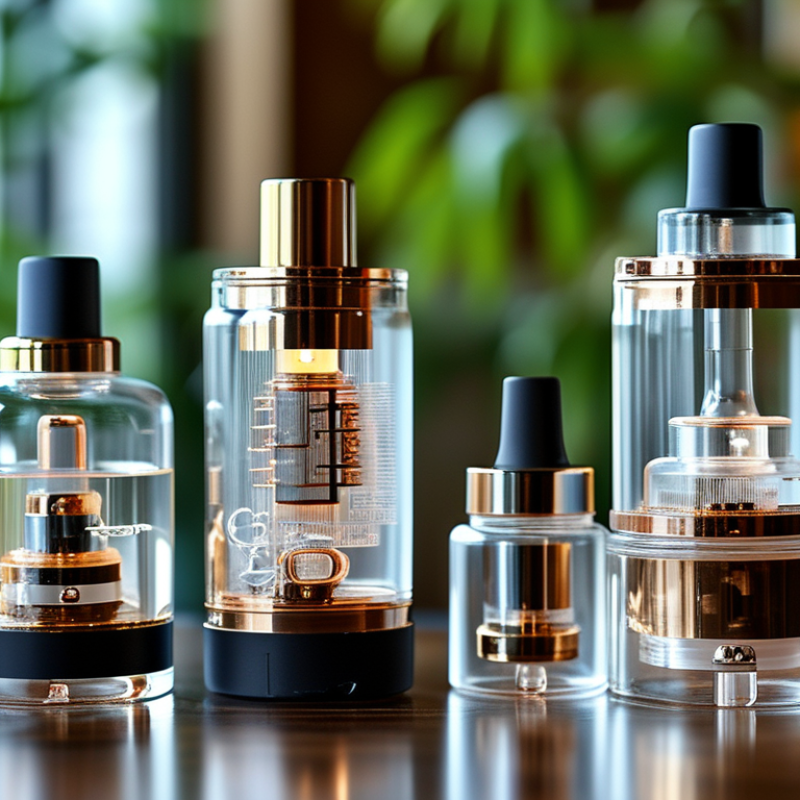
A glass CBD atomizer is a small container designed to hold a CBD formulation for controlled dispensing. Its basic structure usually includes a glass reservoir, heating element, mouthpiece, seals, and a connector. The glass chamber lets users observe the liquid level and notice changes in color or clarity. This visibility supports simple quality checks.

A 1ml Cbd Glass Atomizer commonly uses a compact reservoir for measured product storage. The heating element sits near the lower section and connects with an external power source. When activated, the element warms the formulation and creates an inhalable aerosol. Air enters through small channels, passes across the heated area, and moves toward the mouthpiece. The seals help reduce leakage, although no container is perfectly leakproof.

Glass can resist odors and may preserve flavor better than some plastics. However, it can crack after a hard impact. That detail is easy to overlook. Reliable construction depends on clean assembly, stable seals, and consistent airflow. I would inspect the threads, mouthpiece fit, and liquid clarity before use. Formulations differ, so performance may change with thickness and temperature. Users should follow product directions and applicable local requirements.

Key Components and Their Functions

What Is a Glass CBD Atomizer and How Does It Work?

Key Components and Their Functions

A glass CBD atomizer is a small cartridge that stores and vaporizes a regulated CBD formulation. Its glass reservoir holds the liquid without adding much odor or taste. This matters because glass is generally less reactive than many plastics. The mouthpiece guides the aerosol toward the user. A sealed gasket helps prevent leakage around the connection.

Inside, the heating element converts electrical energy into heat. Many models use ceramic cores, while others use metal coils. The battery supplies controlled current through a threaded connector. Air enters through tiny intake holes, passes the heated chamber, and carries the aerosol through the mouthpiece. The process happens in seconds. Sometimes, uneven heating leaves residue near the reservoir base.

A 2023 Grand View Research report estimated the global cannabidiol market at 7.59 billion dollars in 2023. That growth increases demand for consistent delivery hardware, but market growth does not prove product quality. Testing still matters. Independent laboratories commonly check cannabinoid identity, concentration, heavy metals, solvents, and microbial contamination. The U.S. Pharmacopeia also emphasizes suitable materials and extractables testing for pharmaceutical packaging. Users should inspect clear glass for cracks, cloudiness, or loose seals. A clean airflow path is important. So is realistic labeling. Industry reports often rely on projections, and those projections can change. That limitation deserves attention.

How CBD Liquid Moves Through the Atomizer

A glass CBD atomizer is a small delivery system that moves CBD liquid from a reservoir to a heated coil. The glass chamber stores the formulation without adding much odor or taste. This is why the term Cbd Oil Atomizer Glass often refers to both the container and the complete atomizer assembly.

Liquid movement starts with gravity and capillary action. As the user activates the device, air enters through small intake holes. The pressure change draws liquid toward a cotton, ceramic, or porous wick. The wick controls how quickly the liquid reaches the coil. Thicker formulas move slowly. Low-viscosity formulas move faster and may oversaturate the coil. Tiny bubbles can also appear inside the reservoir. They replace the liquid volume and help maintain steady flow. Sometimes they do not. That is where uneven heating can begin.

The coil then converts electrical energy into heat. The liquid touching its surface changes into an inhalable aerosol, while the airflow carries it through the mouthpiece. Temperature matters. Excessive heat can darken residue and alter flavor. The WHO’s 2018 critical review identified CBD as a compound requiring careful quality control, not casual assumptions. A 2023 Grand View Research report valued the global CBD market at about USD 7.59 billion, showing strong demand for consistent products. Still, market growth does not prove uniform atomizer performance. Testing viscosity, leakage, airflow, and delivered volume remains essential. Glass is stable, but it is not indestructible. A small crack can change pressure and liquid flow.

What Is a Glass CBD Atomizer and How Does It Work?

How CBD liquid moves through an atomizer depends mainly on carrier-liquid viscosity. Propylene glycol (PG) flows more easily, while vegetable glycerin (VG) is much thicker. The liquid travels from the glass reservoir through the wick by capillary action before reaching the heated coil.

Representative carrier-liquid viscosity at 20°C: Lower viscosity generally allows faster movement through small wick channels, while higher viscosity produces slower capillary flow and may require more heating time.

The Step-by-Step Vaporization Process

A glass CBD atomizer is a small chamber that holds a compatible, legally purchased CBD formulation before vaporization. The glass reservoir lets users see the liquid level and inspect possible particles. It also resists many formulation-related reactions, but glass does not make vapor automatically safe.

The process starts when the battery sends power to the heating coil. The coil warms gradually, rather than boiling the liquid like water. A wick draws the formulation toward the coil through capillary action. Heat then changes part of the liquid into a fine aerosol. Air enters through small intake holes and carries that aerosol through the mouthpiece. The user inhales it. Simple in theory.

Temperature matters greatly. Excessive heat can damage ingredients and create unwanted degradation compounds. A 2024 Grand View Research report valued the global CBD market at about USD 7.59 billion in 2023, with a projected 16.2% compound annual growth rate through 2030. That growth increases the need for transparent testing, not just attractive hardware. The 2023 U.S. CBD Consumer Report from New Frontier Data also identified product quality and ingredient confidence as major consumer concerns. I would check batch-specific laboratory results, ingredient compatibility, coil condition, and local regulations before use. A Slim Cbd Glass Atomizer may look clean and precise, yet airflow, heat control, and formulation viscosity can still vary. That is the weak point.

Differences Between Glass and Plastic Atomizers

What Is a Glass CBD Atomizer and How Does It Work?

A glass CBD atomizer stores the formulation in a small glass chamber. A heating coil then warms the liquid, while airflow carries the aerosol through the mouthpiece. The design is simple, but material choice affects purity, durability, and user experience.

Glass offers strong chemical resistance and usually creates fewer concerns about absorption or extractables. This matters when formulations contain botanical oils, terpenes, or alcohol-based ingredients. USP and USP recommend evaluating extractables and leachables for packaging systems. Plastic atomizers are lighter and more impact-resistant. They also reduce shipping weight. However, some plastics may absorb aromatic compounds or allow greater oxygen transfer over time. Not every plastic performs poorly. The resin type and barrier layer matter.

Glass can also protect product quality when paired with suitable tinting. Clear glass looks attractive, but light exposure may affect sensitive ingredients. The 2023 UNEP report, Turning off the Tap, states that global plastic pollution could be reduced by 80% by 2040 through reuse, recycling, and redesign. That supports careful material selection, though glass is not automatically the greener option. It weighs more and can break. A 2023 Grand View Research analysis valued the global glass packaging market at approximately US$82.9 billion in 2022, showing broad manufacturing capacity. Still, suppliers should verify compatibility, closure integrity, and migration test results. Appearance alone is weak evidence.

What Is a Glass CBD Atomizer and How Does It Work? - Differences Between Glass and Plastic Atomizers

Comparison Dimension Glass CBD Atomizer Plastic CBD Atomizer Practical Meaning
Basic function Holds CBD e-liquid and delivers it to a heating coil for vaporization. Performs the same core function using a plastic liquid reservoir. Both types rely on a reservoir, wick or coil, airflow path, and mouthpiece.
Material in contact with liquid Borosilicate or other purpose-made glass is commonly used for the reservoir. Usually made from a compatible polymer selected for e-liquid storage. Material compatibility should be confirmed for the specific CBD formulation.
Chemical resistance Generally offers strong resistance to many oils, solvents, and aromatic compounds. Resistance varies by polymer; some formulations may cause swelling, stress cracking, or permeation. Glass is often preferred for complex or strongly flavored oil-based liquids.
Flavor neutrality Typically has low odor and flavor retention when properly manufactured and cleaned. May retain or transmit traces of flavor depending on the plastic and liquid. Glass can help preserve a more consistent flavor profile between uses.
Visibility of liquid Often clear or highly transparent, making the liquid level easy to inspect. Can be clear, translucent, or opaque depending on the polymer and design. A visible reservoir helps reduce the risk of operating the coil while dry.
Heat behavior Handles normal atomizer operating temperatures well, but can fracture under severe thermal shock. Lightweight and less likely to shatter, but excessive heat can deform some plastics. The atomizer should be used only within the temperature and power range specified for its design.
Impact resistance More vulnerable to cracking or shattering if dropped or struck. Usually more resistant to impact and rough handling. A protective sleeve or careful handling may be useful with glass reservoirs.
Weight Generally heavier than an equivalent plastic reservoir. Generally lighter and easier to carry in compact devices. Plastic may suit portable products where minimizing total weight is important.
Cleaning and reuse Smooth glass surfaces are generally easier to rinse and inspect. Cleaning suitability depends on the plastic, seals, adhesives, and device construction. Follow the manufacturer’s cleaning instructions and avoid incompatible solvents.
Barrier performance Provides an effective barrier against many gases and moisture when properly sealed. Barrier performance varies by polymer thickness, formulation, and closure system. The closure and seals are as important as the reservoir material for product stability.
Recyclability Glass is widely recyclable, although recycling depends on local collection systems and component separation. Recyclability depends on the exact polymer type and local recycling infrastructure. Remove electronic parts, coils, and mixed materials according to local disposal rules.
Typical best use Longer-term storage, formulation-sensitive liquids, and users prioritizing flavor neutrality. Lightweight, impact-resistant, and cost-sensitive disposable or portable formats. The appropriate choice depends on the liquid chemistry, device design, and intended use.

Note: Atomizers are designed for inhalation products only. Use a reservoir and heating element that are specifically compatible with the CBD formulation and device.

Factors Affecting Performance and Vapor Quality

A glass CBD atomizer heats liquid through a coil and turns it into an inhalable aerosol. Glass mainly protects the oil from reactive plastics and allows users to inspect color, residue, and fill level. However, glass alone does not guarantee clean vapor. The Hemp Oil Cbd Glass Vape Tank Atomizer also depends on coil material, resistance, airflow, battery output, and seal quality. A loose seal can introduce air and cause weak, uneven draws.

Liquid viscosity is a major factor. Thick oil may saturate the wick slowly, creating dry hits and a burnt taste. Excessively thin liquid can flood the coil and produce leakage. Temperature matters too. The U.S. National Academies’ 2018 report found that aerosol emissions vary with device design, power settings, and operating conditions. Higher heat can increase unwanted thermal by-products. That evidence makes conservative power settings sensible, though not universally perfect.

Small details change vapor quality. A narrow airflow path feels warmer, while wider airflow cools the aerosol but may reduce flavor intensity. ISO/IEC 17025-accredited testing can verify cannabinoid content, solvents, metals, and contaminants. Still, one laboratory result should not be treated as permanent truth; storage time and repeated heating may alter performance. I once considered wattage the main variable. That was too simple. A clean coil, stable seals, compatible viscosity, and measured temperature usually matter more. WHO’s 2018 cannabidiol review also supports careful quality control, because product composition and exposure conditions strongly influence safety interpretation.

FAQS

: What is a glass CBD atomizer?

: It is a small container for storing and dispensing a CBD liquid. It usually includes a glass reservoir, heating element, mouthpiece, seals, and connector. The glass chamber makes liquid levels easier to see.

How does a glass CBD atomizer work?

Air enters through small intake holes when the device is activated. Liquid moves toward a wick through gravity and capillary action. The heating element warms the liquid and creates an inhalable aerosol. Airflow then carries it through the mouthpiece.

Why is glass used for the reservoir?

Glass resists odors and may preserve flavor better than some plastics. It also limits concerns about absorption from the container. Clear glass allows users to inspect color, clarity, and remaining volume. Still, appearance alone proves very little.

Can glass atomizers break easily?

Glass can crack after a hard impact or sudden pressure change. A small crack may affect leakage, airflow, and liquid movement. Do not use a visibly damaged container. It is not indestructible.

How does liquid thickness affect performance?

Thick formulas usually move slowly through the wick. Thin formulas move faster and may oversaturate the heating element. This can cause uneven heating, leakage, or inconsistent aerosol production. Temperature also changes liquid flow.

What should users inspect before use?

Check the glass for cracks, chips, or unusual cloudiness. Inspect the threads, mouthpiece fit, seals, and connector. Look for leaking around the bottom or closure. Liquid should not show unexplained color changes.

How does glass compare with plastic?

Glass usually offers stronger chemical resistance and lower odor absorption. Plastic is lighter and may resist impact better during transport. However, plastic performance depends on resin type and barrier design. Neither material is automatically superior.

Does clear glass protect sensitive CBD formulations?

Clear glass improves visibility but allows more light exposure. Light may affect sensitive ingredients over time. Tinted glass can provide additional protection. Storage conditions still matter. I would not assume tinting solves everything.

Are glass atomizers completely leakproof?

No container is perfectly leakproof. Leakage depends on seal quality, closure fit, liquid thickness, and temperature. Poor assembly can create problems even with good materials. Testing matters more than appearance.

What quality checks are important for atomizers?

Suppliers should evaluate viscosity, leakage, airflow, delivered volume, and material compatibility. They should also review closure integrity and migration test results. Consistent assembly is essential. Market demand does not prove consistent performance.

Conclusion

A Glass Cbd Atomizer is a small vaping component designed to hold and vaporize CBD liquid in a controlled way. Its main parts typically include a glass reservoir, a mouthpiece, a heating coil, absorbent material, airflow openings, and connection points. The glass chamber stores the liquid without easily absorbing its flavor or ingredients, while the coil generates heat. When the device is activated, CBD liquid moves from the reservoir through the absorbent material toward the coil.

The vaporization process begins as the coil warms, gently converting the liquid into an inhalable aerosol that travels through the airflow path and exits through the mouthpiece. Compared with plastic atomizers, glass generally offers better resistance to staining, odor retention, and chemical interaction, although it can be more fragile. Performance and vapor quality depend on factors such as liquid thickness, coil condition, heating temperature, airflow design, battery consistency, and proper filling. Using compatible, legally compliant products and following safety instructions can help maintain reliable operation.
Charlotte

Charlotte

Charlotte is a seasoned marketing professional based in China, with over 12 years of expertise in the vape hardware industry, specifically serving the U.S. cannabis market. With a deep understanding of the company's products and their applications, Charlotte plays a pivotal role in communicating......
Previous Top Benefits of Using Refillable Vape Cartridges for Buyers?