+86-13392325565
Leave Your Message
- CONTACT US
-
 CONTACT US
-
 CONTACT US
Deciding on the top 10 legal cannabis vaporizers for buyers around the world isn't just about checking out some sleek designs. You’ve gotta think about stuff like local laws, whether you’re buying from legit sellers, lab testing results, battery safety, and clear ingredient info. The availability of these devices can differ a lot depending on where you are, and trying to buy across borders could land you in some avoidable legal trouble.
According to Grand View Research, the market for cannabis vaporizers is booming—for good reason. People want portable, discreet, and easy-to-dose devices, and manufacturers are constantly rolling out new features like adjustable temperatures and rechargeable batteries. But just because the market’s growing doesn’t mean every product is 100% safe. Back in 2019, the CDC linked a serious lung illness outbreak—EVALI—to poorly manufactured vaping products. That really highlights the importance of sticking to verified, responsibly-made gear.
Safety should always come first, no question about it.
Dr. Jordan Tishler, who’s both the medical director at Inhale MD and a well-respected expert in medical cannabis, has said it plainly: “Vaping is not harmless.” That’s a good warning to keep in mind whenever you’re thinking about buying a vaporizer, even if it looks fancy or high-end. These days, trends in cannabis vaporizers focus on stuff like ceramic heating chambers, precise temperature controls, replaceable parts, and better lab testing transparency. But be cautious—the flashy screens and sleek marketing don’t always tell the full story. Sometimes, they hide poor-quality materials, weak quality control, or obscure supply chains.
In this guide, I’ve taken a practical look at ten vaporizers available legally on the market. I’ve checked out things like build quality, how consistent the heating is, how easy it is to charge, maintenance needs, how well the product is documented, and overall user experience. I want to be clear—this isn’t about promoting illegal possession, unlicensed sales, or international shipping. It’s really about helping grown-up consumers compare what's available through legit, regulated channels. No product is perfect, and it’s always smart to consider your local rules and your own health situation. Before making any decisions, double-check official government advice and chat with a healthcare professional if you need to.
Hope this helps you make smarter, safer choices!
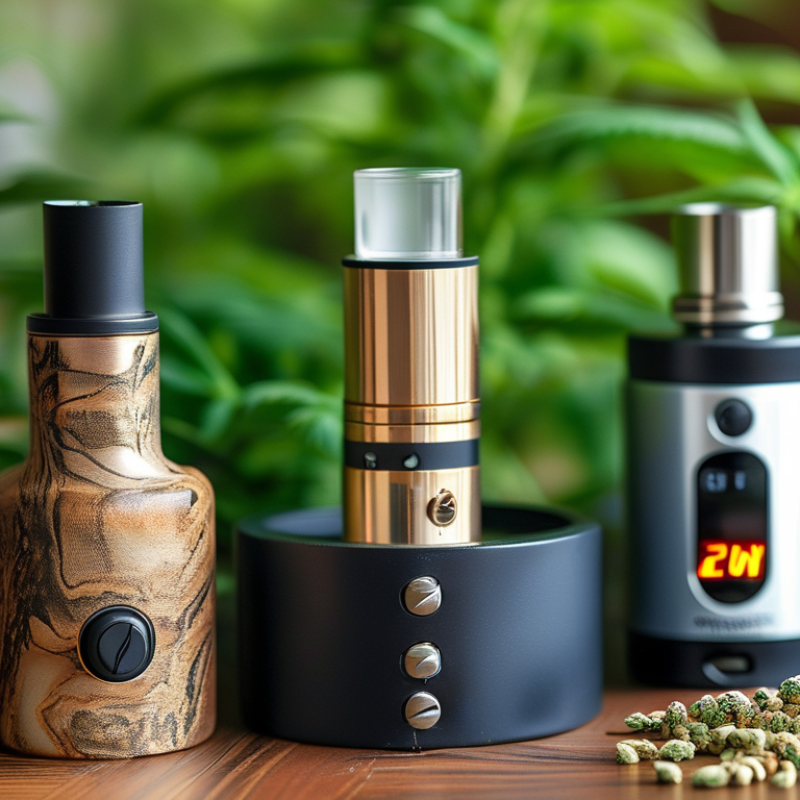
The UNODC World Drug Report 2024 recorded 228 million cannabis users worldwide in 2022. This figure reflects global use, not legal access. Buyers must separate population data from permitted commerce. Rules differ sharply across countries, states, and even municipalities.
For legal markets, Cannabis Vape Hardware should be evaluated as a regulated consumer product. Look for documented materials, temperature controls, leak resistance, and clear cleaning instructions. Independent laboratory testing matters. So does traceable manufacturing. Grand View Research’s 2024 cannabis vaporizer market analysis identifies product safety, portability, and technology integration as major market drivers. These trends explain the popularity of compact devices with rechargeable batteries.
Legal scope remains the difficult part. A vaporizer may be permitted in one jurisdiction and restricted elsewhere. The European Monitoring Centre for Drugs and Drug Addiction has repeatedly highlighted uneven national cannabis policies across Europe. Check local rules before purchase, import, possession, or use. Avoid assumptions based on online listings.
Small details reveal product quality. A secure mouthpiece should not wobble. Battery contacts should look clean and protected. Packaging should show batch information, safety warnings, and responsible-use guidance. Some reports rely on market estimates, so their projections are not guarantees. That limitation deserves attention. Reliable buyers compare official regulations, test documentation, and independent reviews before choosing any device.
| No. | Vaporizer Category | Heating Method | Typical Temperature Range | Typical Battery or Power | Typical Load Capacity | Best Use Case | Portability | Global Legal-Buying Considerations |
|---|---|---|---|---|---|---|---|---|
| 1 | Portable Dry-Herb Convection Vaporizer | Hot air passes through the plant material without direct contact with a heating surface. | Approximately 160–220°C / 320–428°F | Rechargeable lithium-ion battery, commonly 2,000–3,500 mAh | Approximately 0.15–0.30 g of dry herb | Even extraction, low-temperature sessions and personal use. | High | Suitable only where possession and vaporization of cannabis are permitted. Check local rules for THC content, public use and importation. |
| 2 | Portable Dry-Herb Conduction Vaporizer | Dry herb is heated in direct contact with a heated chamber. | Approximately 175–230°C / 347–446°F | Rechargeable lithium-ion battery, commonly 1,500–3,000 mAh | Approximately 0.20–0.40 g of dry herb | Simple operation, quick heat-up and compact everyday use. | High | Verify whether cannabis vaporizer devices may be sold or carried in the destination country, even where medical cannabis is legal. |
| 3 | Hybrid Dry-Herb Vaporizer | Combines conduction heating with convection airflow. | Approximately 160–230°C / 320–446°F | Rechargeable lithium-ion battery, commonly 2,500–4,000 mAh | Approximately 0.20–0.35 g of dry herb | Balanced vapor production, flavor and extraction efficiency. | Medium–High | For international travel, remove cannabis residue and confirm airline, airport and border requirements before transport. |
| 4 | Portable Concentrate Vaporizer | Low-volume heating chamber or coil heats cannabis concentrates. | Approximately 180–260°C / 356–500°F | Rechargeable lithium-ion battery, commonly 650–1,500 mAh | Approximately 0.05–0.15 g of concentrate | High-potency extracts and short sessions. | High | Concentrates are prohibited or more strictly controlled in many jurisdictions. Confirm extraction, possession and sales laws separately from flower laws. |
| 5 | Cartridge-Based Oil Vaporizer | Battery-powered atomizer heats cannabis oil in a replaceable or refillable cartridge. | Approximately 160–220°C / 320–428°F | Rechargeable battery, commonly 350–1,000 mAh | Common cartridge volumes: 0.5–1.0 mL | Discreet, convenient and low-maintenance use where regulated cartridges are available. | Very High | Only use legally manufactured products where permitted. Cartridge importation, labeling, nicotine rules and THC limits vary widely. |
| 6 | All-in-One Disposable Cannabis Vaporizer | Integrated battery and prefilled oil chamber with a fixed heating element. | Typically approximately 180–220°C / 356–428°F | Integrated battery, commonly 280–650 mAh | Common oil volumes: 0.3–1.0 mL | Short-term convenience and no charging accessories. | Very High | Confirm product authorization, age restrictions, recycling requirements and transport rules. Avoid unlicensed or untested oil products. |
| 7 | Electronic Dab Rig | Electronic coil or cup heats concentrates while water filtration cools the vapor. | Approximately 180–300°C / 356–572°F | Rechargeable battery, commonly 2,000–5,000 mAh | Approximately 0.05–0.20 g per session | Water-cooled concentrate sessions with adjustable vapor intensity. | Medium | Concentrate laws, electrical certification and water-containing device restrictions should be checked before purchase or shipment. |
| 8 | Desktop Balloon Vaporizer | Electric heating chamber fills a detachable balloon or bag with vapor. | Approximately 170–230°C / 338–446°F | Mains electricity; commonly 100–240 V models are available | Approximately 0.20–0.50 g of dry herb per chamber | Home use, group sessions where lawful and controlled temperature delivery. | Low | Not suitable for international carry-on use in many cases. Check voltage, plug standards, electrical certification and local possession laws. |
| 9 | Desktop Whip-Style Vaporizer | Heated chamber delivers vapor through a heat-resistant tube or mouthpiece. | Approximately 160–230°C / 320–446°F | Mains electricity; commonly 100–240 V models are available | Approximately 0.15–0.40 g of dry herb | Stable home operation, direct draws and extended sessions. | Low | Use only in a legally permitted private setting. Electrical safety and plug compatibility are important for cross-border purchases. |
| 10 | Dosing-Capsule Portable Vaporizer | Pre-measured herb capsules are heated inside a conduction, convection or hybrid chamber. | Approximately 170–225°C / 338–437°F | Rechargeable lithium-ion battery, commonly 2,000–4,000 mAh | Approximately 0.10–0.25 g per capsule | Consistent portioning, cleaner loading and easier session preparation. | High | Dosing accessories do not make cannabis legal. Confirm possession limits, medical documentation requirements and restrictions on carrying prepared doses. |
| Legal and data note: The UNODC figure of approximately 228 million cannabis users in 2022 describes estimated global cannabis use and does not mean that cannabis vaporization is legal worldwide. Laws differ by country and may regulate THC concentration, medical authorization, possession, device sales, public consumption, advertising, shipping and cross-border travel. Temperature, capacity and battery figures above are typical market ranges for each device category rather than specifications for a particular company or brand. | ||||||||
: An international report estimated 228 million users in 2022. This figure describes use, not legal access. Those are different things.
No. Rules vary between countries, states, and municipalities. Check official local rules before buying, carrying, importing, or using one.
Look for documented materials, temperature controls, leak resistance, and clear cleaning instructions. Independent laboratory testing adds useful evidence. Traceable manufacturing matters too.
Many devices offer settings between 160°C and 220°C. Lower temperatures may feel gentler, while higher settings can create thicker vapor. Temperature displays may drift.
No. Batteries commonly range from 500mAh to 3,000mAh. Capacity matters, but charging speed, battery health, and protection circuits matter too.
A secure mouthpiece should not wobble. Battery contacts should look clean and protected. Packaging should include batch details, warnings, and responsible-use guidance.
Compare official regulations, laboratory documents, warranty terms, and independent reviews. Do not rely only on online listings or market projections. Estimates are not guarantees.
Follow the cleaning instructions and inspect the device regularly. Keep it away from heat and moisture. Do not use damaged batteries or unverified liquids. Small flaws can matter.
This guide introduces the Cannabis Vaporizer market for legal adult consumers and global buyers, highlighting responsible use, product selection, and regulatory awareness. It explains the main heating systems—conduction, convection, and hybrid—and compares how each approach may affect consistency, efficiency, and user experience. Key performance factors include adjustable temperatures around 160–220°C, battery capacities ranging from 500 to 3,000mAh, charging convenience, portability, and overall build quality.
The comparison of ten legal vaporizers focuses on temperature control, battery performance, size, and practical everyday use without promoting any specific brand. It also outlines important safety considerations, including IEC 62133-2, UN 38.3, CE, and RoHS documentation, which can help buyers evaluate battery and electronic safety. Because regulations differ by location, readers should verify age requirements, permitted THC limits, approved product categories, labeling rules, and import restrictions before purchasing or traveling. The guide emphasizes legal compliance, responsible decisions, and choosing products supported by clear safety information.